
Most people who buy their first original painting buy it because they feel something when they look at it — a pull, a stillness, a recognition of something they cannot quite name. That instinct is the right starting point. But knowing a little about the major styles of painting opens something up: you start to understand why you respond to certain works, and you develop the vocabulary to seek out more of them.
This is not a comprehensive art history. It is a practical guide for collectors — an orientation to the styles you are most likely to encounter when buying original paintings today.

Abstract Painting
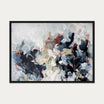
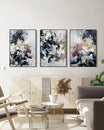
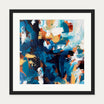
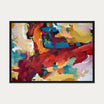
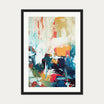
Abstract painting is, by some measures, the dominant language of contemporary fine art. It is also the one most likely to provoke the question: but what is it?
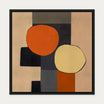
The answer varies. Non-representational abstraction — the kind pioneered by Kandinsky, Mondrian, and Malevich — does not depict any recognisable subject. It works instead with colour, form, line, and texture as ends in themselves. The logic is musical: a painting does not need to show something any more than a symphony needs to describe a landscape.
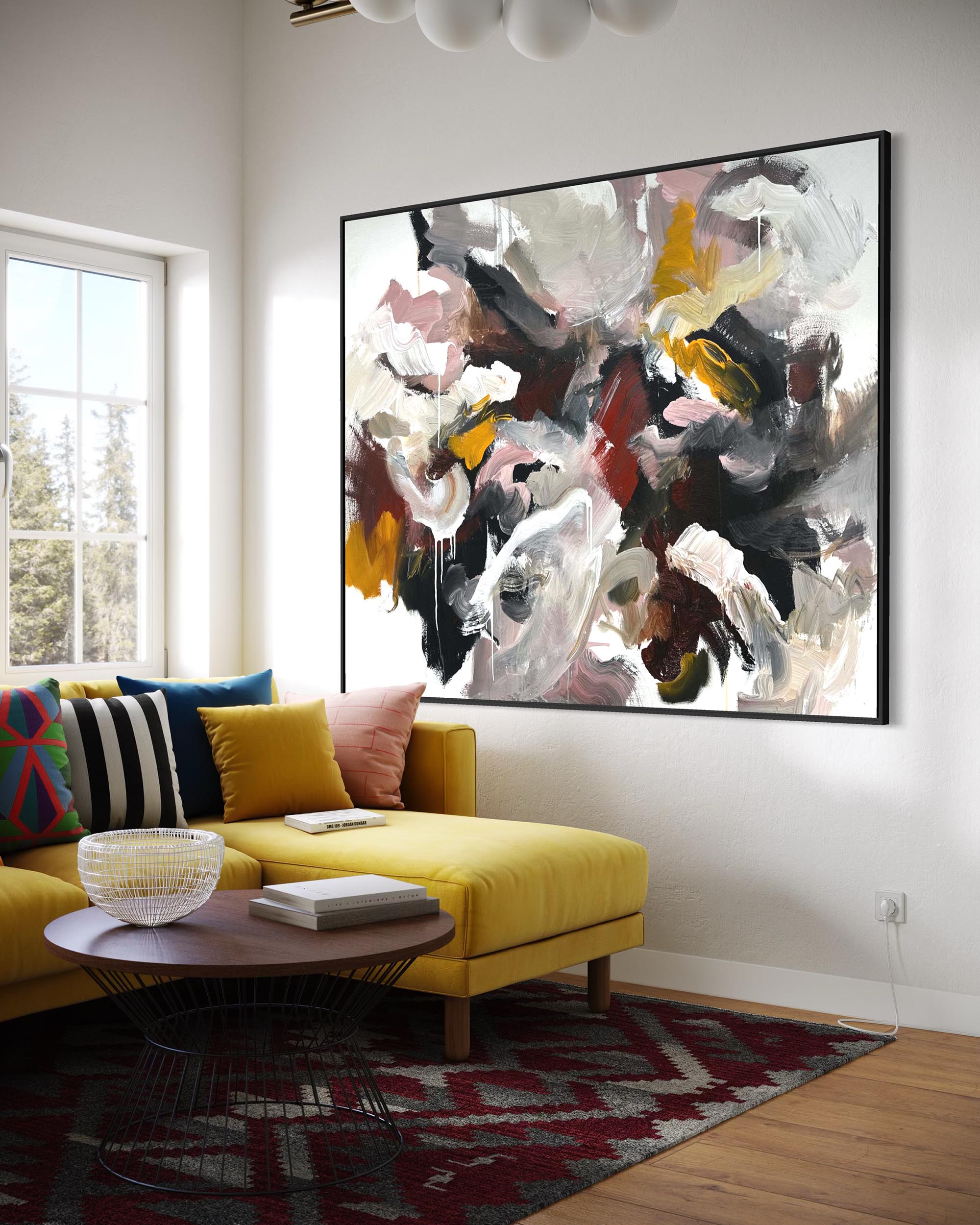
Gestural abstraction — associated with the New York School and painters like de Kooning, Kline, and Lee Krasner — emphasises the physical act of painting. The marks on the surface record the painter's movement, pressure, and rhythm. Looking at a gestural abstract painting is, in a sense, watching someone dance.
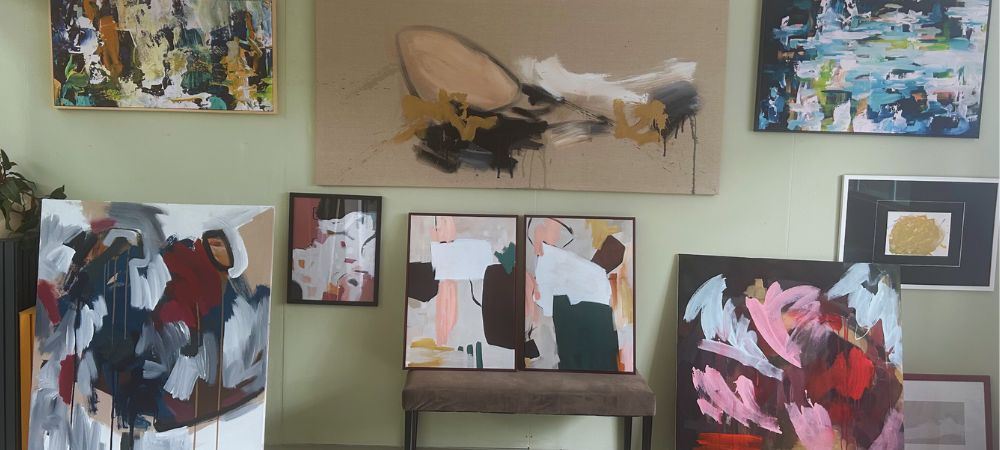
Contemporary abstract painting encompasses both approaches, and everything between. What defines it is a commitment to the experience of looking over the act of recognition.
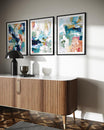
Works well in: Minimal interiors, white-walled spaces, open-plan living areas, commercial lobbies where the work needs to read from a distance.

Expressionism and Neo-Expressionism
Where abstract painting moves away from the world, expressionism moves toward it — but distorts it. Expressionist painters use exaggerated colour, distorted form, and raw mark-making to convey psychological or emotional intensity. The Norwegian painter Edvard Munch is the most famous historical example. The post-war German painters — Georg Baselitz, Anselm Kiefer — brought the tradition into the second half of the 20th century with monumental, often unsettling canvases.
Contemporary expressive painting shares that commitment to emotional directness. It tends to be figurative, or semi-figurative — you can see something in it — but what you see has been transformed by the painter's emotional state. The result is work that often feels urgent and alive in a way that purely decorative painting does not.
Works well in: Dining rooms, statement walls, spaces designed to provoke conversation.
Landscape and Nature-Based Painting
The British landscape tradition is one of the great achievements of Western painting. Constable and Turner established a way of looking at the English countryside — luminous, elemental, never quite still — that influenced Impressionism and continues to influence painters today.
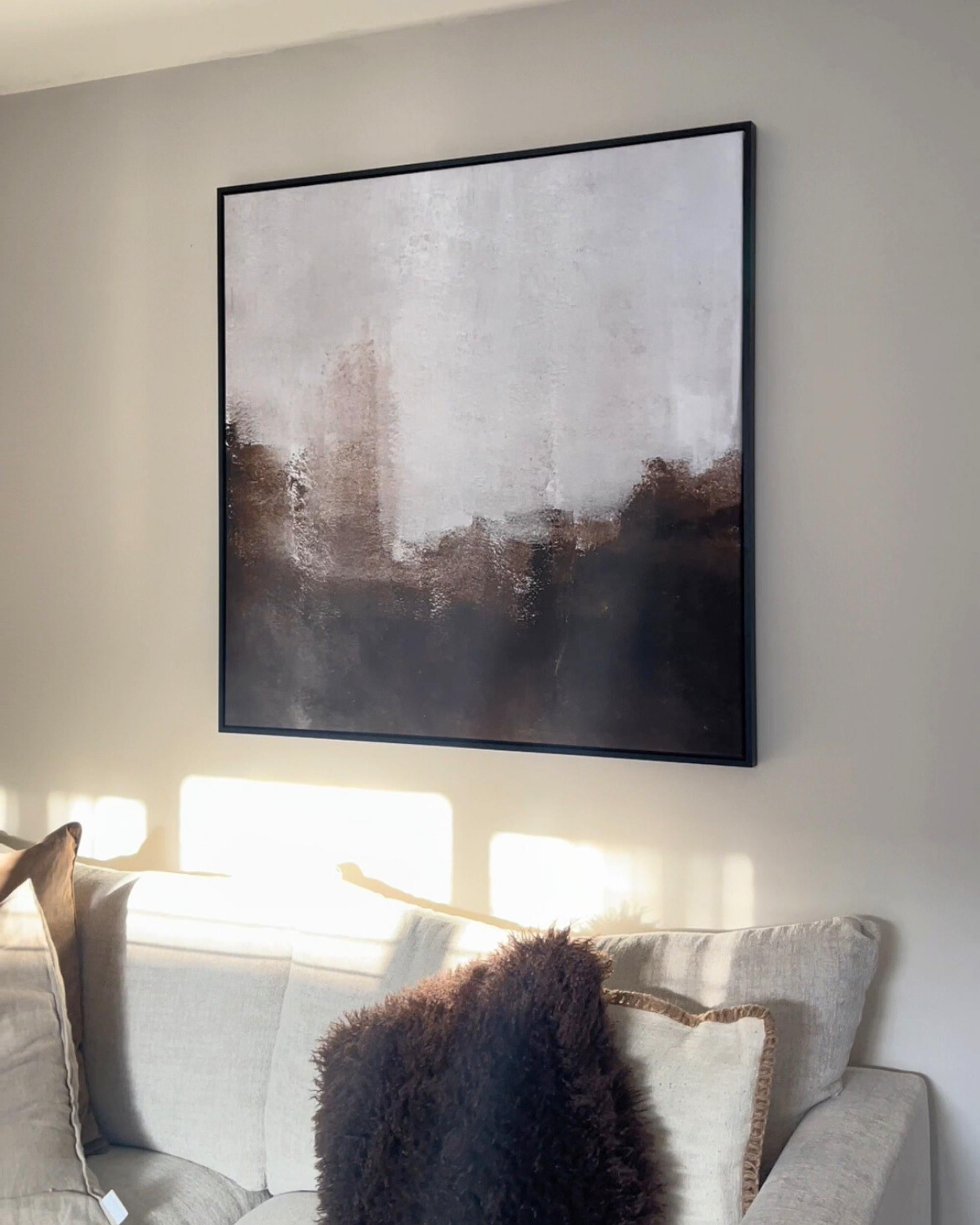
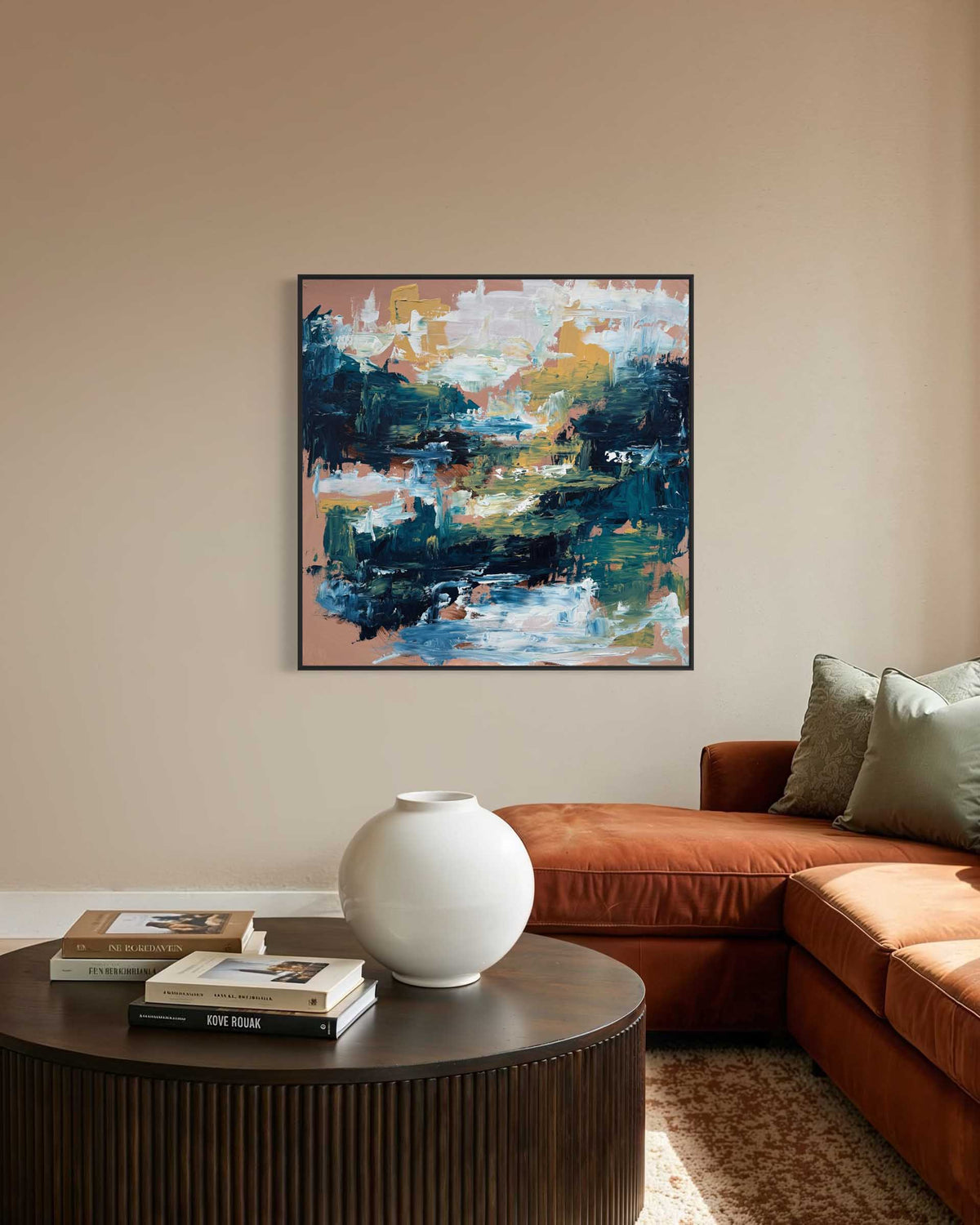
Contemporary landscape painting ranges from faithful representation to near-abstraction, with many painters working in the territory between. Works that take their cue from the natural world — terrain, coast, weather, seasonal light — tend to have enduring appeal for collectors because they connect with something fundamental. They also age well: a landscape on a wall in 2030 will read as well as it does in 2026.
At Abstract House, our collections are grounded in this tradition — working with the textures, tones, and movements of the natural world to produce paintings that are contemporary in language but rooted in a longer lineage.
Works well in: Bedrooms, reading rooms, hallways, country homes, coastal interiors, spaces where calm is the primary register.

Minimalist and Tonal Painting
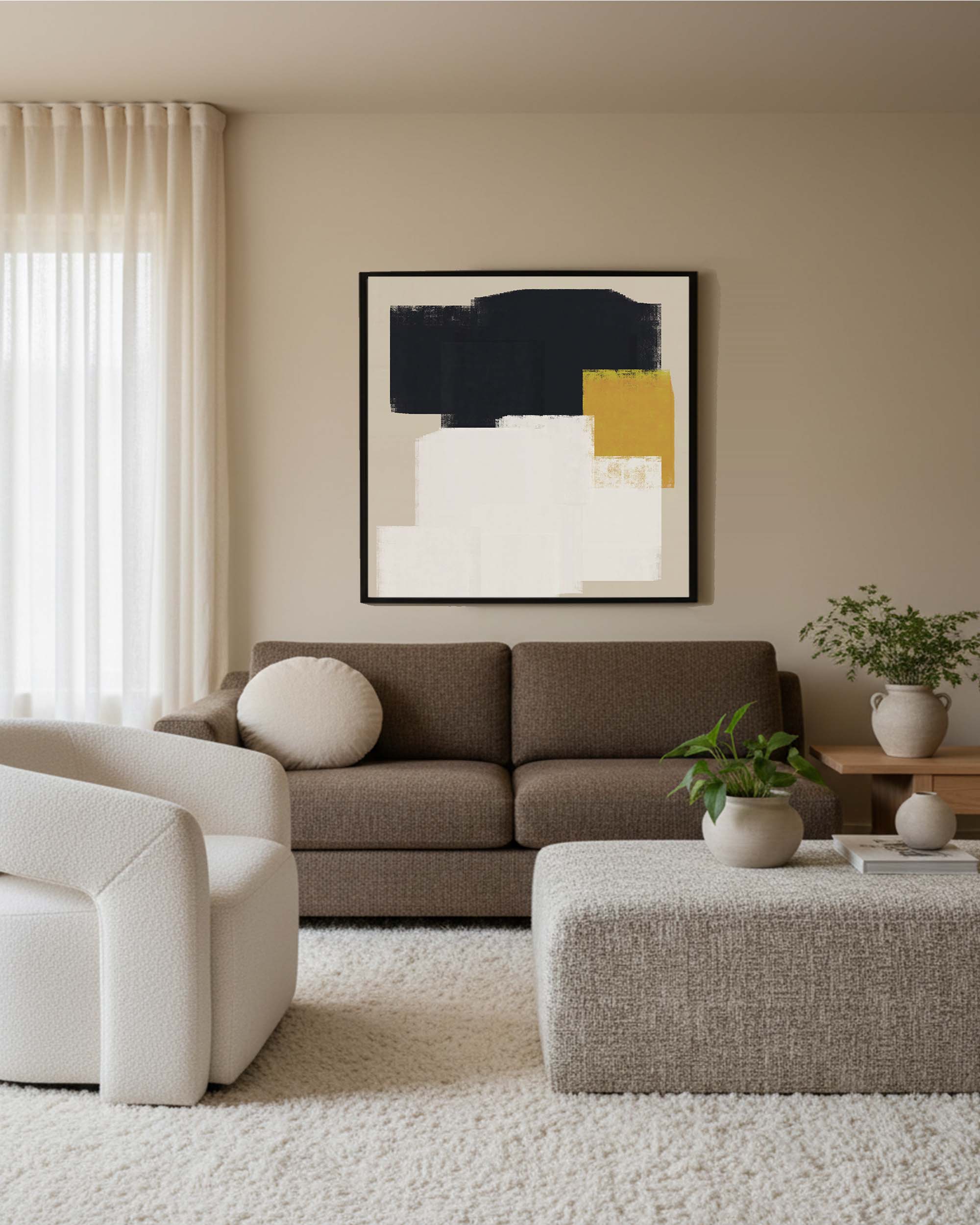
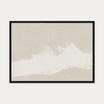
Some of the most quietly powerful paintings are the most restrained. Minimalist painting — influenced by painters like Agnes Martin, Cy Twombly, and Robert Ryman — works with a dramatically reduced vocabulary: a field of colour, a subtle tonal shift, a trace of a line. The work asks more of the viewer: you have to give it time, and what it gives back is a quality of presence, of atmosphere, that more demonstrative work cannot achieve.
Tonal painting — working within a narrow colour range to achieve depth through value contrast rather than hue — has close relationships with Japanese aesthetics, with Scandinavian design, and with the broader contemporary interest in restraint and quality of surface.
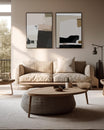
Works well in: Calm, curated interiors — Japandi spaces, Nordic-influenced rooms, spa environments, bedrooms where the palette is already minimal.
Colour Field Painting
Developed in the 1950s by Rothko, Newman, and Helen Frankenthaler, colour field painting works at scale: vast expanses of colour, applied in washes or stains, that generate an almost physical sensation when viewed in person. The paintings are about perception as much as image — they change as you move toward or away from them, and they respond to the light in the room around them.
Contemporary painters working in a colour field tradition tend to produce work that is both meditative and spatially commanding. A large-format colour field painting in a reception or living space does not need to compete with anything else in the room — it is the room.
Works well in: Large domestic spaces, corporate lobbies, double-height spaces, dining rooms where the work acts as the central visual anchor.

A Note on How to Choose
The most important thing is not style — it is response. If a painting stops you, spend time with it. Come back to it. The works that have lasting value for collectors are almost always the ones that offered something new with each return visit: a colour that shifts with the light, a texture that reveals itself slowly, a feeling that resists being reduced to words.
Budget helps narrow the field, but within any budget, the question is the same: can you live with this? Does it change the room? Does it hold your attention after the initial encounter?
If the answer is yes, that is usually enough.
Browse our collections at abstracthouse.com — original paintings available in a range of sizes and formats, with art consultations led by Summer Obaid.