


Art By Room
The Destination For Art
Discover art to elevate every space
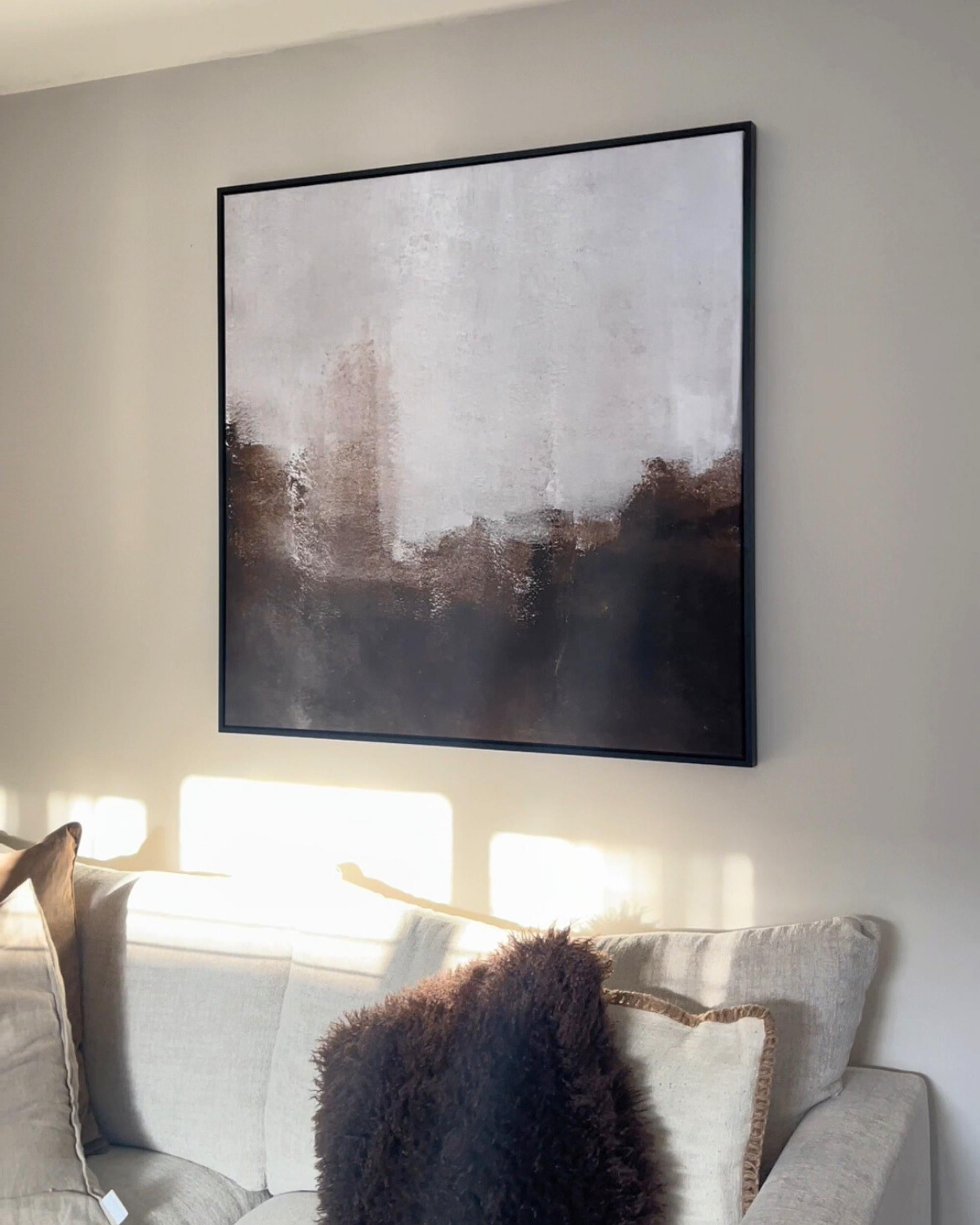
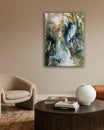
A Guide Through The Unknown | Original Painting | 150x150cm
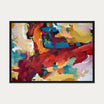
Abstract 449 Canvas Art
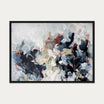
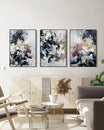
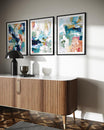
Abstract Dawn - Print Set Of 3
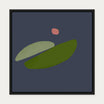
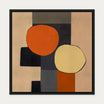
Trio Of Pots Study Canvas Art
Abstract Eden - Print Set Of 3
Abstract Black Lines Art Print
Chronological Abstraction Gallery Wall Art
Line Art Trio - Print Set of 3
Abstract Dawn - Print Set Of 3
Abstract Golden Beach - Print Set Of 3
Abstract Streams Canvas Set Of 2
Abstraction III Canvas Art
Abstract Dawn - Print Set Of 3
Blue Landscape Gallery Wall Art Set
Abstract Blush River Canvas Set Of 2
Abstract Seascape Art Print
Blush Three Lines Art Print
Botanical Watercolour Leaf Art Print
Pampas Watercolour Art Print
Bean And Shapes Art Print
Cave Drawings II Canvas Art
Abstract Summer Sun Art Print
Untitled I Canvas Art
Abstract 471 Art Print
Lion's Den Art Print
Western Plains Gallery Wall Art
Abstract Study XII Canvas Art
Botanical Abstract Canvas Art
Art By Colour
Can't quite decide? Find inspiration and expert tips in our 2026 Colour Chart.
Why investing in quality art prints brings timeless beauty to your space
Investing in quality art prints is more than just acquiring a piece of décor; it’s about bringing enduring beauty, craftsmanship, and character into your space.
High-quality art prints are crafted to last, often using archival-grade materials like acid-free paper and fade-resistant inks that ensure the colors and details remain vibrant for years, if not decades. The attention to fine details in premium art prints sets them apart; every brushstroke, texture, and nuance of the original artwork is meticulously preserved, giving you a piece that feels authentic and immersive. Additionally, these prints are often produced using state-of-the-art techniques, such as giclée printing, which delivers unparalleled precision and depth. Beyond technical excellence, the craftsmanship involved in creating a premium art print reflects the dedication and skill of artisans who treat each piece as a work of art in itself.
Choosing a high-quality print means supporting a tradition of artistry and excellence, while also ensuring that the piece you display in your home or workspace enhances your environment with sophistication and timeless appeal. Cheap alternatives may fade, warp, or lose their charm over time, but a well-made art print offers a lasting investment in beauty, evoking inspiration and admiration for years to come.
Discover More
From the blog
Limited Edition Prints: A Complete Guide to Collecting, Quality, and Value
There is a particular feeling that comes with owning a limited edition print. It is not simply the image on the wall — it is the knowledge that your piece belongs to a numbered sequence, that a specific number of them exist in the world, and that no more will ever be made. It is the difference between a song played live and a recording pressed in a run of a thousand. The finite nature of the thing changes your relationship to it. At Abstract House, limited edition prints have been central to what we do since we founded the studio in London in 2016. Over that time, we have printed thousands of editions, refined our process obsessively, and spoken to collectors at every level — from first-time buyers to seasoned acquisitors building serious collections. This guide brings together everything we have learned about what makes a limited edition print worth owning, how to assess quality before you buy, and why edition size, paper, and archival ink matter far more than most people realise. What Is a Limited Edition Print? A limited edition print is a fine art print produced in a fixed, predetermined number of copies. Once that number — the edition size — has been reached, the image is not printed again. The plate, file, or screen is retired, and the edition is considered closed. This is what distinguishes a limited edition print from an open edition print, which can be reproduced indefinitely, or a poster, which is a mass-market reproduction with no restriction on quantity. The limitation is not a marketing device. It is a structural commitment made by the artist or studio before a single print is made. Each print in a limited edition is: Numbered — typically written as a fraction, such as 12/50, meaning the twelfth print in an edition of fifty Signed — by the artist, confirming authenticity and personal endorsement Accompanied by a certificate of authenticity — a documented record of the edition, image title, medium, paper, edition size, and the artist's signature Lower edition numbers are often considered more desirable by collectors, though in practice the print quality across a well-run edition is consistent. What matters is that your number falls within a defined total — and that the total is honest. How Edition Sizes Work — and Why They Matter Edition sizes vary widely across the art market, from micro-editions of fewer than ten to open commercial runs in the hundreds. Understanding where a print sits within that spectrum helps you assess both its collectibility and its likely appreciation potential. Micro-editions (1–10): Rare. Typically reserved for the most significant works or artist's proofs. Command premium prices and attract serious collectors. Small editions (11–50): The sweet spot for contemporary fine art prints. Exclusive enough to feel meaningful, accessible enough to reach a broader audience. The majority of Abstract House editions sit within this band. Mid-range editions (51–150): Appropriate for accessible limited editions with strong commercial demand. Still collectible, but the scarcity proposition is less acute. Large editions (150+): Approaching open-edition territory for practical purposes. May be offered at lower price points but tend not to appreciate significantly. Artist's proofs — often marked A/P or A.P. — are additional prints made outside the main edition, historically intended as the artist's personal copies. They are typically limited to around 10% of the edition size. In fine art print markets, artist's proofs often command a premium over the main edition numbers. What Is a Giclée Print? The Process Behind Fine Art Reproduction The word giclée (pronounced zhee-clay) comes from the French verb gicler, meaning to spray or squirt — a reference to the fine inkjet process at the heart of the method. First coined in the early 1990s in San Francisco, it became the accepted term for high-resolution fine art inkjet prints using archival pigment inks on museum-quality substrates. Giclée printing is not simply high-resolution inkjet printing. The distinction lies in three things: the quality of the ink, the quality of the paper, and the precision of the colour profile. Ink: True giclée printing uses archival pigment inks, not dye-based inks. Pigment inks are suspended particles rather than dissolved dyes. They sit on the surface of the paper rather than penetrating it, which gives them dramatically greater lightfastness — resistance to fading from UV exposure over time. A correctly produced giclée print on the right substrate should maintain colour integrity for 100 years or more under normal display conditions, according to independent lightfastness tests such as those conducted by Wilhelm Imaging Research. Paper: The substrate is as important as the ink. Museum-quality fine art papers — heavy, acid-free, buffered cotton-rag stocks — provide the surface that pigment inks need to perform correctly. Thinner, cheaper papers produce inferior colour, reduced sharpness, and a noticeably shorter life. Colour depth: Professional giclée printers operate with 10 to 12 individual ink channels rather than the standard four (CMYK) found in commercial printers. Abstract House prints are produced using a 12-colour archival pigment ink system, which allows for a significantly wider colour gamut — the range of colours reproducible — and far smoother tonal gradations, particularly in shadow areas and subtle mid-tones. The cumulative effect of these three factors is that a giclée print made with care looks and feels like a work of art in its own right. It has presence. It holds up to close inspection. And it lasts. Paper Weight and Quality: Why 310gsm Changes Everything Paper weight is measured in grams per square metre (gsm). For context, standard office paper is 80gsm. Affordable inkjet photo paper ranges from 180 to 240gsm. Fine art cotton-rag papers for serious reproduction typically start at 280gsm. At 310gsm, Hahnemühle Photo Rag sits at the upper end of what serious fine art print studios use. That weight translates into a physical experience that lower-weight papers cannot replicate. A 310gsm print has substance — it does not bend or wave at the edges when you hold it, it resists humidity-induced cockling far better, and it has a tactile quality that speaks immediately to its provenance. When Abstract House prints are unboxed, that is often the first thing collectors comment on: the weight of it. Beyond weight, the cotton-rag composition (as opposed to wood-pulp paper) matters for longevity. Wood-pulp papers contain acids that break down the fibres over time, causing yellowing and brittleness. 100% cotton-rag papers are naturally acid-free and alkaline-buffered, providing archival stability that wood-pulp papers cannot match. For a limited edition print that you are acquiring partly as an investment, that distinction is not trivial. Framing, Sustainability, and Presentation A print is only as good as its framing. Poor framing choices — acidic card mounts, non-UV-filtering glass, airtight seals that trap moisture — can degrade even an archival print over time. At Abstract House, our FSC-certified framing uses sustainably sourced timber with acid-free conservation mounts and UV-filtering glazing, maintaining the archival integrity of the print through its full life. We are also members of the Gallery Climate Coalition — a cross-sector initiative committed to reducing the cultural sector's environmental impact. Our commitment to FSC certification is part of a wider sustainability philosophy that runs through the studio, from materials sourcing to packaging. The Certificate of Authenticity: What to Expect and Why It Matters A certificate of authenticity (COA) is the documentary proof of a print's limited edition status. For the collector, it is both a declaration of value and a practical asset — particularly important when insuring, re-selling, or donating a work. A complete and credible COA should include: The title of the work The medium (e.g., giclée print on Hahnemühle Photo Rag 310gsm) The edition size and individual number (e.g., 15/50) The paper and ink specification The dimensions The year of printing The artist's signature (original, not printed) The studio or publisher's stamp or seal Buyers should be cautious of COAs that are vague on process details, unsigned, or issued without an edition number. The specificity of the document is a proxy for the seriousness of the producer. Every Abstract House limited edition ships with a hand-signed certificate of authenticity that meets all of the above criteria — a document that stays with the work through its lifetime. Limited Editions as Collectible Assets The relationship between art and financial value is complex and should not be the primary reason to acquire any work. Buying art because you love it is both simpler and more honest. That said, limited edition prints by established studios and artists do have a track record of appreciation, and understanding the dynamics can help you make better-informed decisions. Scarcity is the foundation. A print in an edition of 25 has an inherent supply constraint that an open-edition reproduction simply does not. As an artist's reputation develops, demand may increase while supply remains fixed — and edition numbers that seemed affordable at the time of purchase can appreciate significantly. Factors that support appreciation: Small edition sizes (under 50) An artist with a developing or established institutional reputation Strong documentation (signed, numbered, COA) Museum-quality materials that ensure the print's physical longevity A reputable publisher or studio Factors that do not support appreciation: Large or unlimited edition sizes Vague or absent documentation Dye-based inks or low-weight papers that degrade over time Works with no artist attribution or market provenance Abstract House prints are produced with all four of the first factors as standard. The decisions about paper, ink, edition size, and documentation are not arbitrary — they are calibrated to produce editions that hold their quality and their meaning over time. How to Display and Care for Your Limited Edition Print A fine art print made with archival materials will last for generations if treated correctly. A few principles govern long-term care: Light: UV is the primary enemy of any print. Even archival pigment inks will fade if exposed to direct sunlight over long periods. Display prints away from windows or use UV-filtering glazing in framing. Avoid prolonged display under bright halogen spotlights — LED lighting is significantly safer. Humidity: Fluctuating humidity causes paper to expand and contract, eventually leading to cockling or buckling. Maintain a consistent indoor humidity level, ideally between 45–55% RH. Framing behind glass or acrylic with a proper conservation mount helps regulate micro-climate around the print. Handling: Hold unframed prints by the edges. Skin oils transferred from the paper's surface can cause localised degradation over time. Store unframed prints flat or rolled in acid-free tissue, away from fluctuating temperatures. Cleaning: Glazed frames can be cleaned with a soft cloth. Do not attempt to clean the paper surface of an unframed print with any liquid or cloth. Frequently Asked Questions What does limited edition print mean? A limited edition print is a fine art print produced in a fixed, pre-agreed number of copies. Once that number is reached, the image is permanently retired — no additional prints are made. Each print is numbered, signed, and accompanied by a certificate of authenticity. What is a giclée print? Giclée is a fine art printing process using high-resolution inkjet technology with archival pigment inks on museum-quality substrates. It is the gold standard for fine art print reproduction, offering colour accuracy, detail, and longevity that commercial printing cannot match. How many prints are in a limited edition? Edition sizes vary. At Abstract House, most editions range from 25 to 100 prints, placing them firmly within the collector-grade category. Some special editions are smaller. Edition size is always declared on the certificate of authenticity. Do limited edition prints increase in value? They can, particularly for works from artists with developing reputations, small edition sizes, and full documentation. No investment in art is guaranteed, but prints made to archival standards with proper documentation have the best structural conditions for appreciation. What is the difference between a print and an original? An original painting is a one-of-a-kind work made directly by the artist — unique and irreplaceable. A limited edition print is a high-quality reproduction of an original artwork, made in a controlled number of copies. Both hold artistic and potential financial value, but originals are inherently rarer and typically priced accordingly. What paper do Abstract House prints use? All Abstract House limited edition giclée prints are produced on Hahnemühle Photo Rag 310gsm — a 100% cotton-rag fine art paper trusted by museums and institutions worldwide for its archival quality, surface texture, and weight. Do Abstract House prints come framed? Abstract House limited edition prints are available framed in our FSC-certified timber frames, which uses acid-free conservation mounts and UV-filtering glazing to protect the print long-term. How should I store a limited edition print? Store unframed prints flat, wrapped in acid-free tissue, away from direct light and humidity fluctuations. Framing in conservation-standard materials is the most effective way to protect a print for long-term display. Why Abstract House We are a single-studio operation, not a marketplace. Every print sold under the Abstract House name is produced in-house at our London studio, on materials we have chosen deliberately, to a standard we stand behind. The 12-colour archival pigment system we use, the Hahnemühle paper, the FSC-certified framing, the signed certificates — these are not claims made at a distance. They are the material reality of every edition we produce. We have worked with private collectors, interior designers, architects, and commercial space operators since 2016. We know what serious buyers look for, and we have built our process around those standards. If you are considering acquiring a limited edition print — whether your first or your fiftieth — we are happy to advise. Browse the exclusive collection today, or contact the studio directly to discuss edition availability, framing options, or our trade programme for interior designers and commercial specifiers.
Learn moreThe One-of-a-Kind Effect — Why Owning an Original Painting Feels Different
Something changes when you take a print off a wall and replace it with an original painting. Not everything changes — the room is still the room, the sofa is still the sofa — but the relationship between you and the thing on the wall shifts in a way that is difficult to explain and immediately felt. Psychologists have a name for the underlying phenomenon: the contagion effect. We attribute to physical objects something of the essence of the person who made or owned them. A football signed by a player you admire is not, technically, a better football than an identical unsigned one. But it is experienced differently: more charged, more meaningful, more alive. The same principle operates with original art. The knowledge that a painting was made by one pair of hands — that the marks on its surface are the direct trace of someone's decisions, on that specific day, in that specific state of mind — is not just intellectual information. It changes what you see when you look at it. What an Original Painting Actually Contains When you look at a reproduction — however high-quality, however well-printed — you are looking at a translation. The reproduction converts the painting into data (a digital scan or photograph) and then converts that data back into an image. What is lost in that translation is everything that exists in the physical object: the texture of the paint surface, the variations in impasto, the way the brushwork catches light from one angle and flattens from another, the tiny decisions — a half-centimetre variation in a line, a colour shifted in a second pass — that are legible in the original and absent from any copy. Original paintings have physical presence in the way that reproductions do not. They are three-dimensional objects. The surface of an oil painting on canvas is a landscape at the micro level: ridges, valleys, smooth passages, thick accumulations of paint. When the light changes in a room, an original changes with it. At 8am on a grey morning it will look different from how it looks at 6pm with the lamps on. This is not a failing of original art — it is one of its most compelling qualities. The Question of Rarity There is one of this painting in the world. One. That is not a marketing claim. It is a statement of ontological fact. And it has consequences. Owning something that cannot be replicated — that the artist themselves could not recreate exactly, because the specific conditions of that day, that studio, that state of mind no longer exist — is categorically different from owning something of which there are a thousand identical copies. This is why original paintings, even at comparable prices to high-quality prints, deliver a different kind of satisfaction. The collector's experience is not simply aesthetic — it involves a relationship with the work, with the history of its making, and with the knowledge of its singularity. Many collectors describe original paintings as things they live with rather than things they look at: objects that change in their attention over months and years, revealing new aspects as the viewer changes. The Relationship with the Maker When you buy a print from a large online retailer, you are buying an image. When you buy an original painting — particularly when you buy it direct from the artist or studio — you are entering a relationship with a person and a practice. You know where the work was made. You may know something about why. You can, if you choose, speak to the painter about the work. This is not a sentimental nicety. It is what distinguishes collecting from decorating. Collectors build relationships with artists over years; they follow a practice, acquire multiple works, and develop a genuine understanding of the language an artist is working in. This relationship has practical value — collectors with close relationships to artists often have access to new work before it reaches the market — but its more important dimension is simply human. You are engaged with another person's creative life, and that engagement enriches your experience of the work on your wall. When Does an Original Painting Make Sense? Not every context calls for an original. There are plenty of situations — a rented flat, a children's bedroom, a space being used temporarily — where a well-chosen print is the sensible choice. But there are moments when only an original painting will do. The home you intend to live in for years, where the work you choose will become part of the fabric of daily life. A significant room — a sitting room, a bedroom, a home office that is genuinely yours — where the quality of the space reflects the quality of your attention. A gift for a significant occasion. A commission for a building that deserves to be more than another well-furnished box. These are the moments when the one-of-a-kind effect matters most. Not because originals are more expensive (though they often are). Not because they signal status (though they can). But because they do something that no reproduction can: they fill a room with the presence of a human decision made in a specific moment in time. They are, in the most literal sense, irreplaceable. Which is exactly why, once you own one, the prints start to look like what they always were. Abstract House produces original paintings in our London studio — handmade, museum-quality, made to last. Browse the current collection at abstracthouse.com, or book an art consultation with Summer Obaid to find the right work for your space.
Learn moreThe Art Is In The Detail: Your Guide To Buying Fine Art
Find out our top tips on choosing fine art, and read our Q&A with our Founder, artist Omar Obaid.
Learn more