

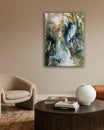

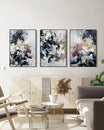




When Abstract House launched, we believed there had to be a better way to make and deliver art — one that considered not only the quality of the finished piece, but the materials and processes surrounding it.
At the time, the art and framing industry relied heavily on plastic packaging. Large quantities of bubble wrap, foam and other single-use materials were routinely used to protect artwork in transit, much of which ultimately ended up as waste.
We wanted to do things differently.

Our Journey Towards Better Packaging
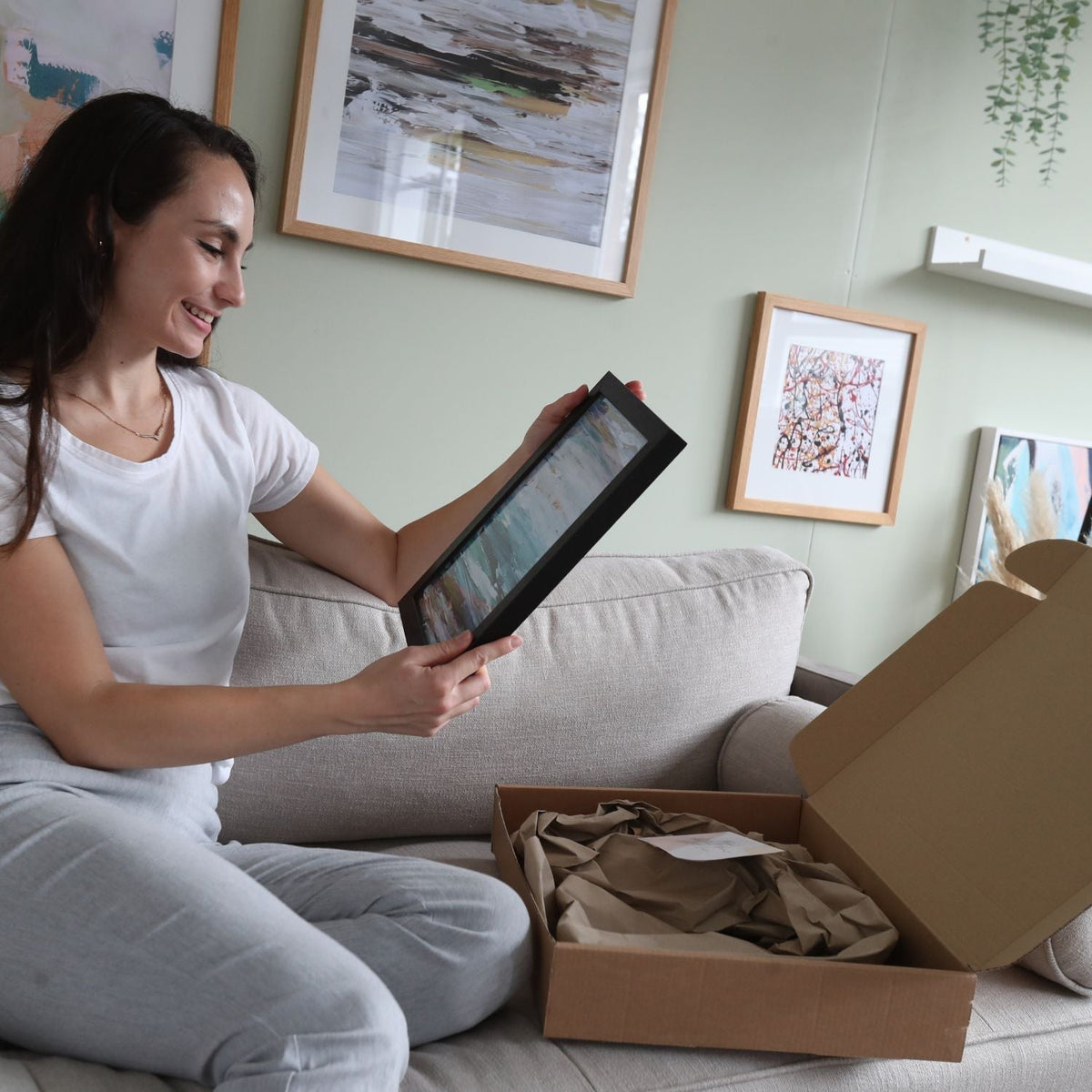
After years of research, testing and refining our processes, in 2019 we introduced plastic-free, recyclable packaging across our orders — becoming the first online art gallery to introduce sustainable packaging of this kind.
We replaced conventional packing materials with recyclable cardboard, paper-based alternatives and paper tape, while continually looking at how we could reduce unnecessary waste throughout our production process.
We also moved to solid float glass for our framed prints, rather than plastic glazing. Beyond giving our frames the clarity, weight and finish we wanted, it allowed us to remove another source of plastic from the finished product.
Why We Brought Back Bubble Wrap
Sustainability is rarely as simple as removing one material entirely.
As our collection evolved, we found that certain framed artworks needed additional protection during delivery. Preventing damage matters too: a frame that arrives broken and has to be remade and reshipped creates its own unnecessary use of materials, energy and transport.
For that reason, we made the considered decision to reintroduce bubble wrap where it is genuinely needed.
Today, the bubble wrap we use is made from recycled material and can itself be recycled, while the remainder of our core packaging is predominantly cardboard and paper, including recyclable boxes and paper tape. We do not use foam packaging.
It means we would no longer describe ourselves simply as a “plastic-free business”. Instead, our focus is on making thoughtful material choices, reducing waste wherever possible and ensuring every artwork is properly protected for the journey to its new home.

Sustainability Is An Ongoing Process
Our approach has always been one of progress rather than perfection.
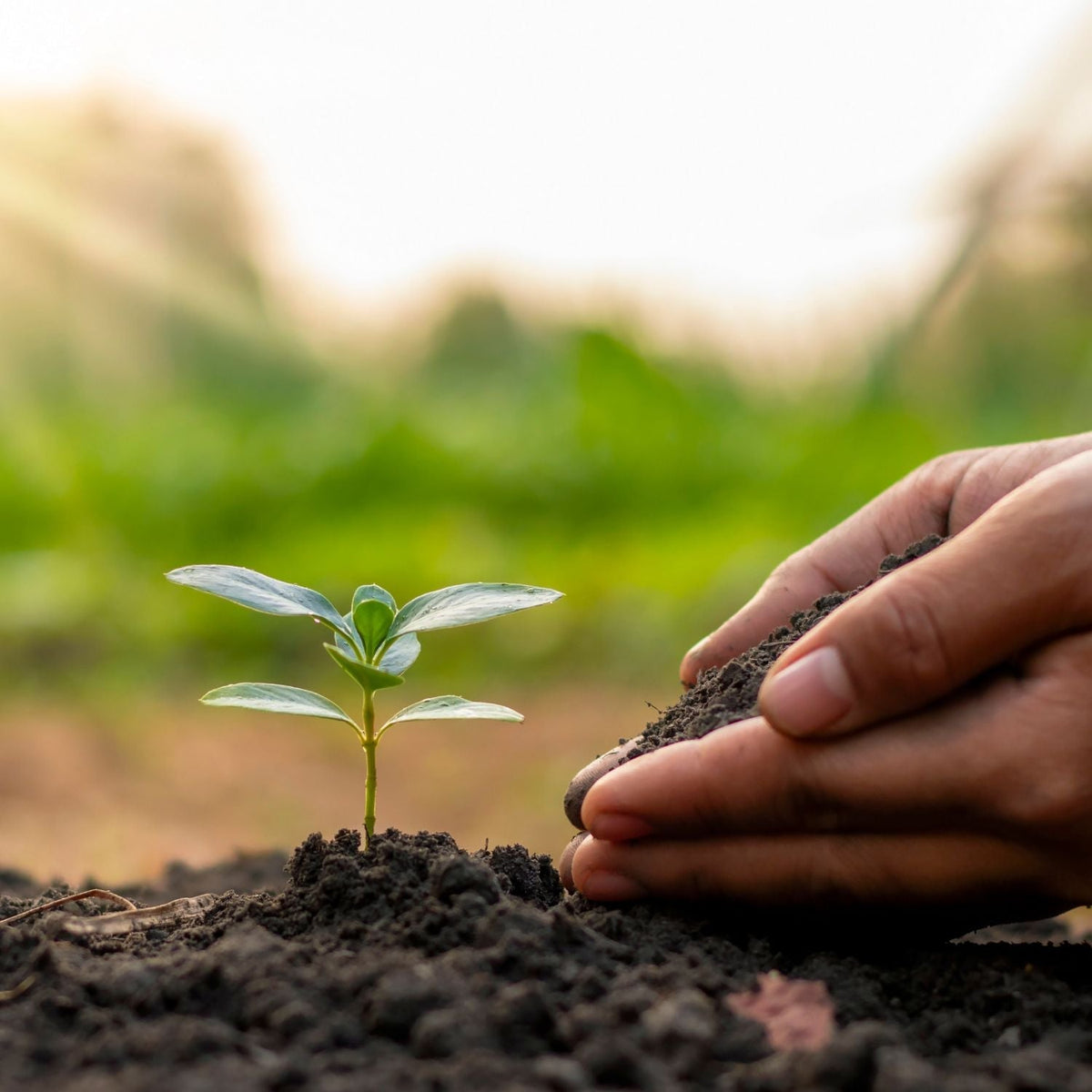
From pioneering more sustainable art packaging in 2019 to projects such as Rewild, where we included wildflower seeds with orders to encourage customers to create new habitats for bees, butterflies and other pollinators, we continue to look for ways to make a positive difference.
Materials change. Better solutions emerge. Sometimes the most responsible choice means reconsidering an earlier decision.
What has not changed is our belief that beautifully made art should be created with care — for the people who bring it into their homes, and for the world beyond them.