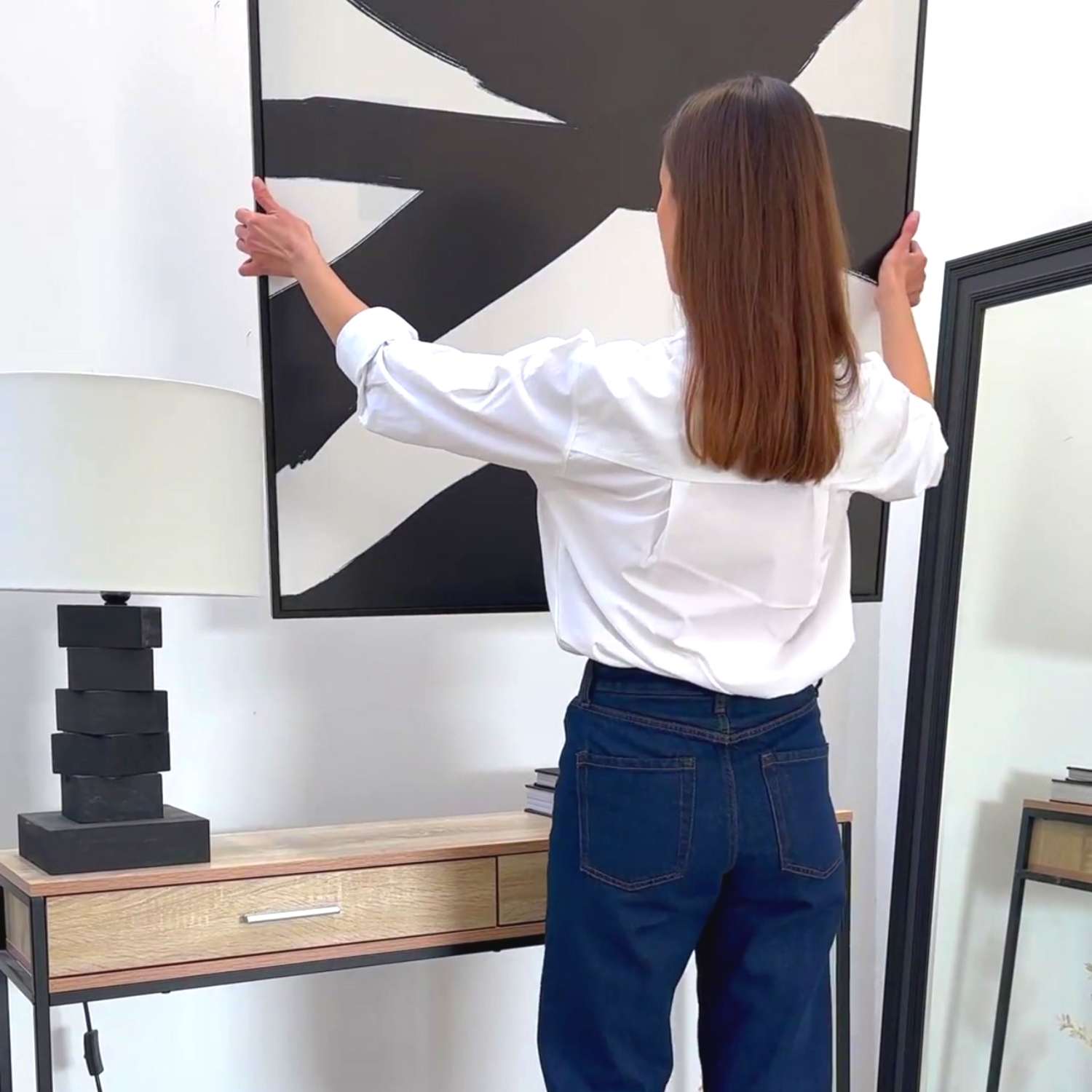

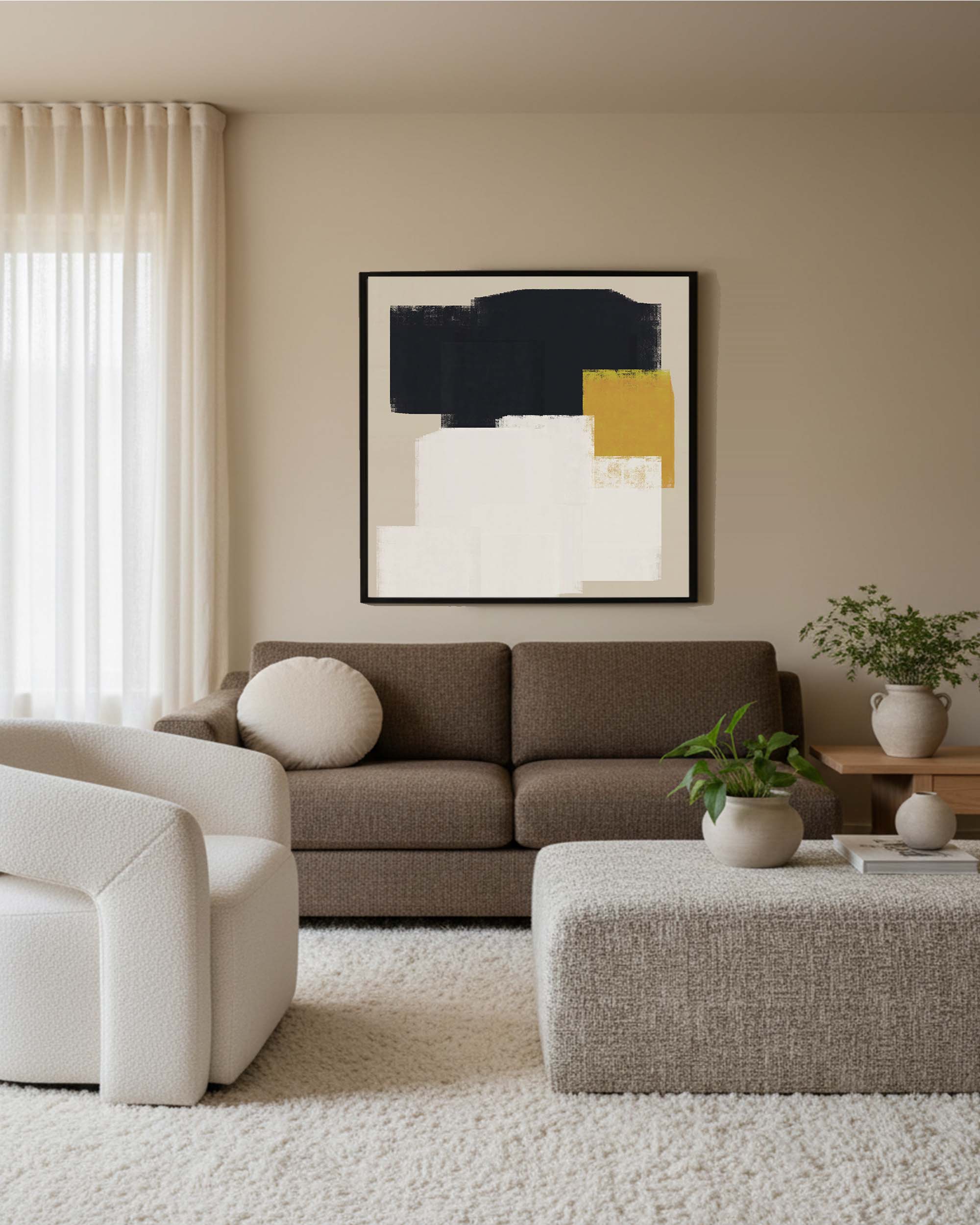
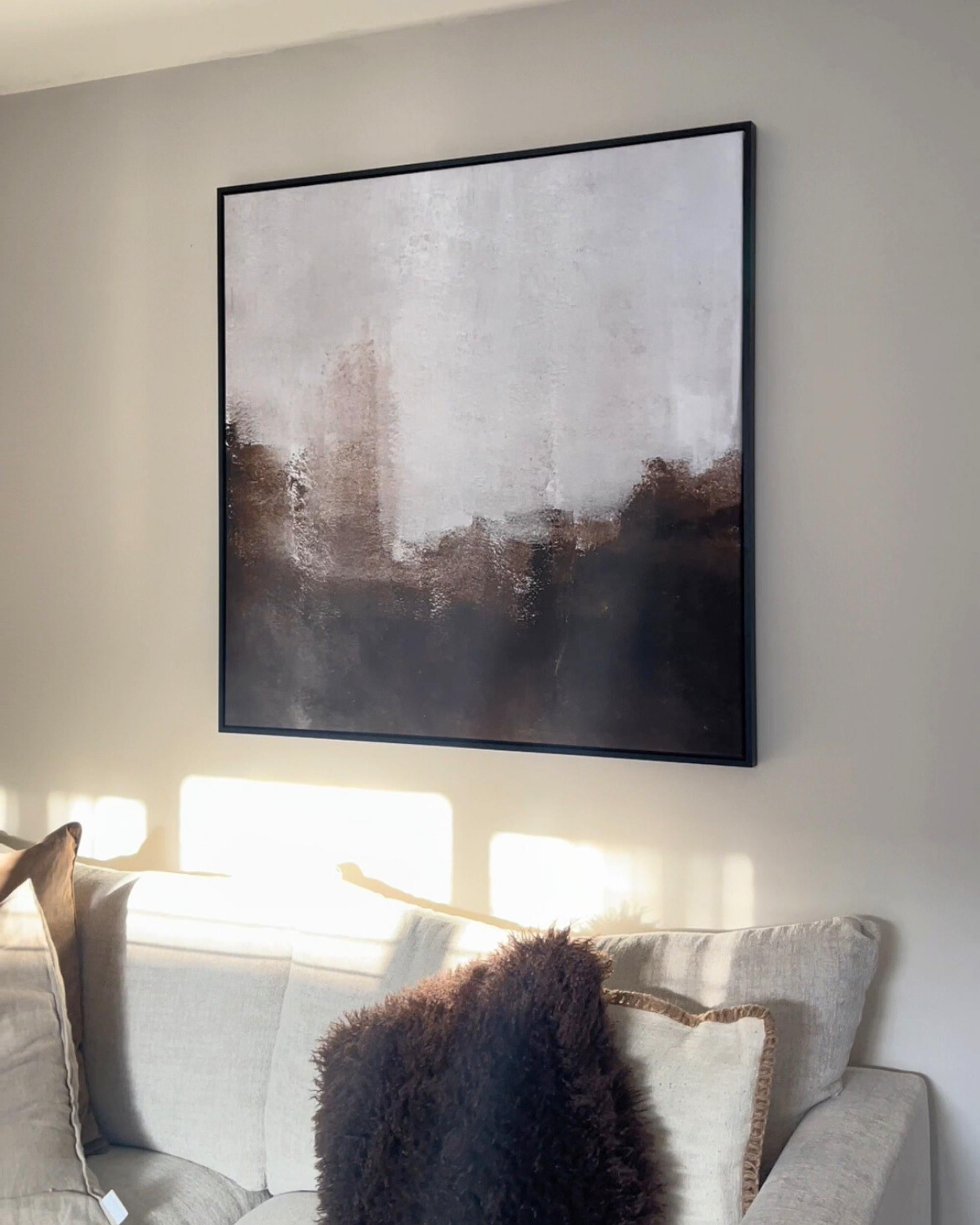
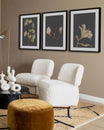
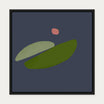
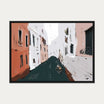
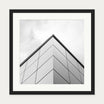
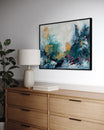
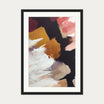
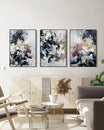
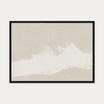
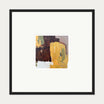
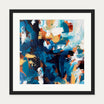
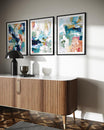
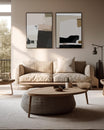
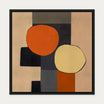
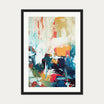
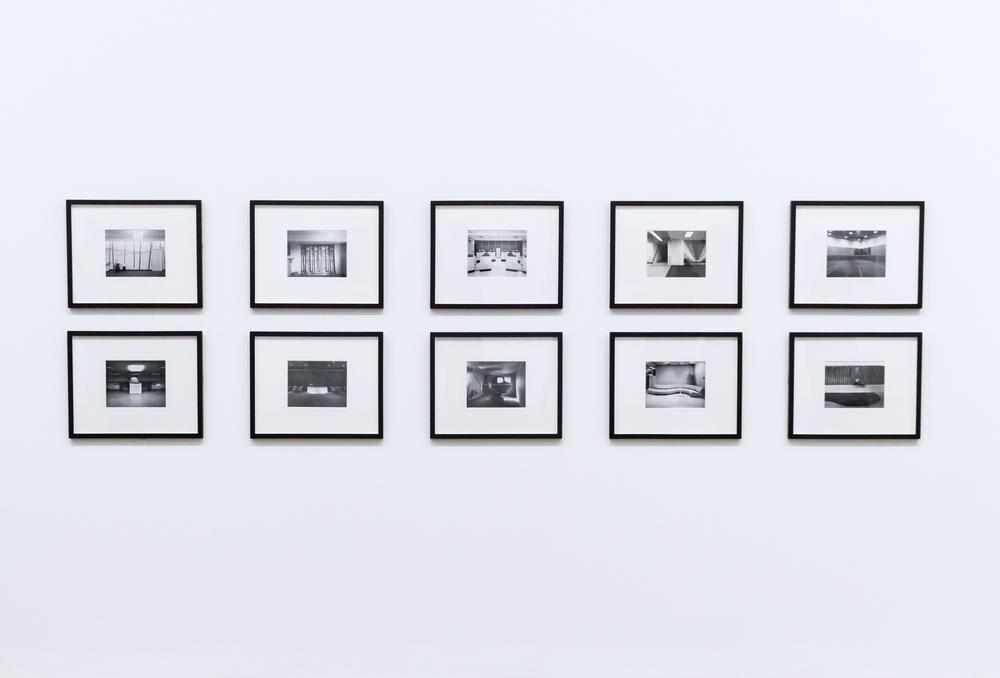
Whether you are a seasoned collector or just have one or two pieces in your home, you will know that framing art, and framing it right, can add a stunning new dimension. Everything from the type, size, and colour of the frame to the way it’s mounted can change the look and feel of a piece entirely, thus altering the mood of the room in which it is hung. If you’ve just ordered your next piece of original art from our hand-picked gallery, here is our complete guide to framing it to ensure that you showcase it perfectly.
Choosing your frame
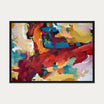
The frame you choose is incredibly important, and it can define the mood of the picture. Choosing a contemporary frame in a matt, block colour can add drama to a piece. Going for an elegant, thin frame in metallic gold or silver gives a much more delicate look.

Matting
Beyond simply framing your piece of original art, matting can provide an additional border. The mat is a piece of board which acts as a ‘window’ to display your artwork. The mat board can be cut to any thickness, and can be any colour you choose. This is particularly useful for highlighting a certain tone in a piece of artwork, helping it to suit the room where it is going to be placed.
We use a classic white mount which we have sourced to perfectly complement our artworks and showcase the true colours of the picture. All of our artworks come framed and mounted. Different mount openings can be seen in the original paintings on card and limited edition prints collection.

Trusted framing experts
At Abstract House, framing is treated as an integral part of the artwork’s craftsmanship rather than an afterthought, with every piece — whether an original painting or a limited edition giclée print — finished in-house using FSC-certified timber to uphold the studio’s sustainability commitments.
Original paintings are framed to protect and present the artist’s hand-worked surface, with attention to depth, texture, and the way light interacts with the paint.
Limited edition prints, produced on Hahnemühle Photo Rag 310gsm archival paper using 12-colour pigment inks, receive the same rigorous framing standard so that the presentation quality matches the archival quality of the print itself — ensuring that collectors receive a museum-grade object regardless of whether they’ve acquired an original or an edition.

This consistency across both product lines reinforces Abstract House’s broader positioning: a rejection of mass-produced, disposable imagery in favor of London-manufactured, provenance-backed craft.