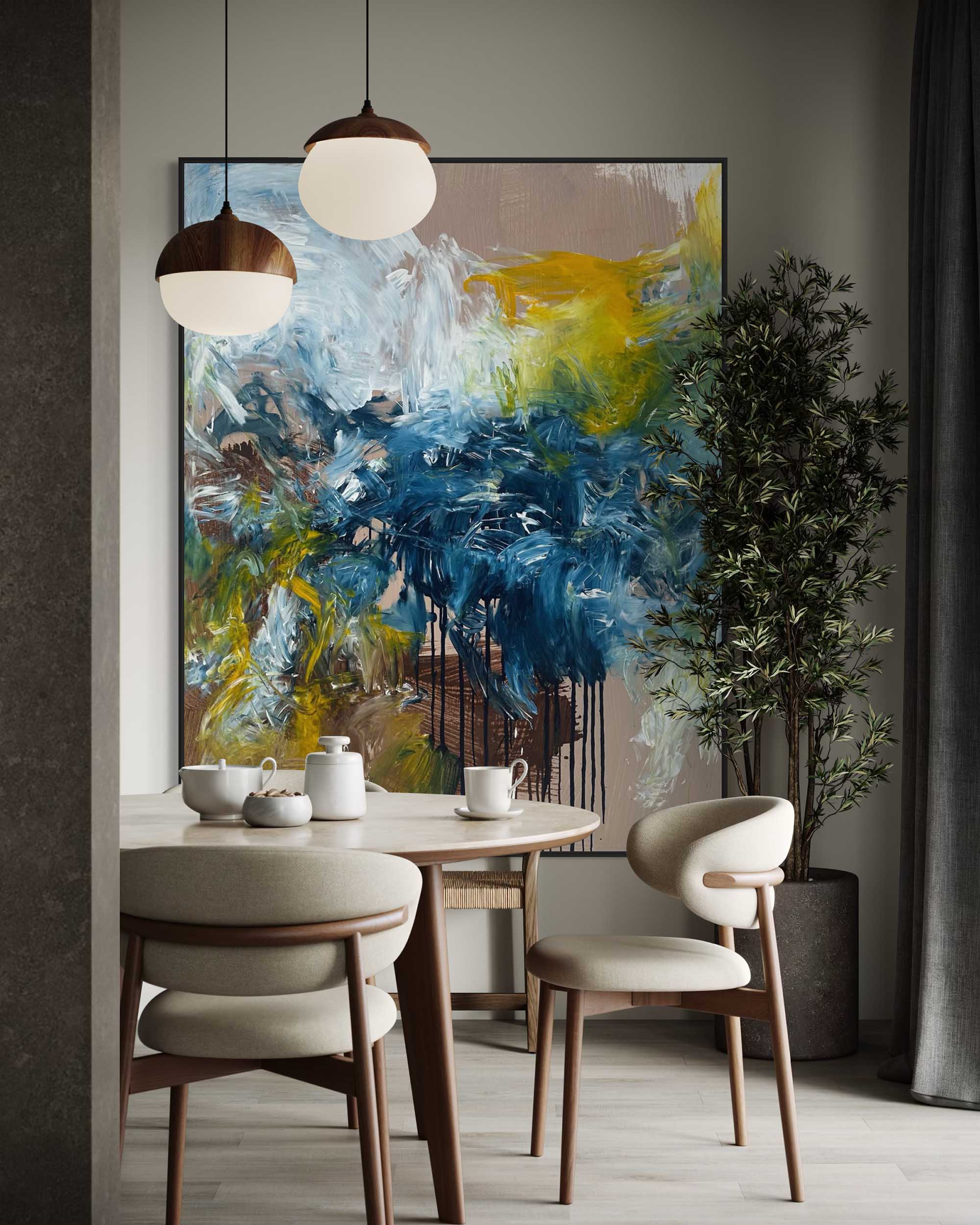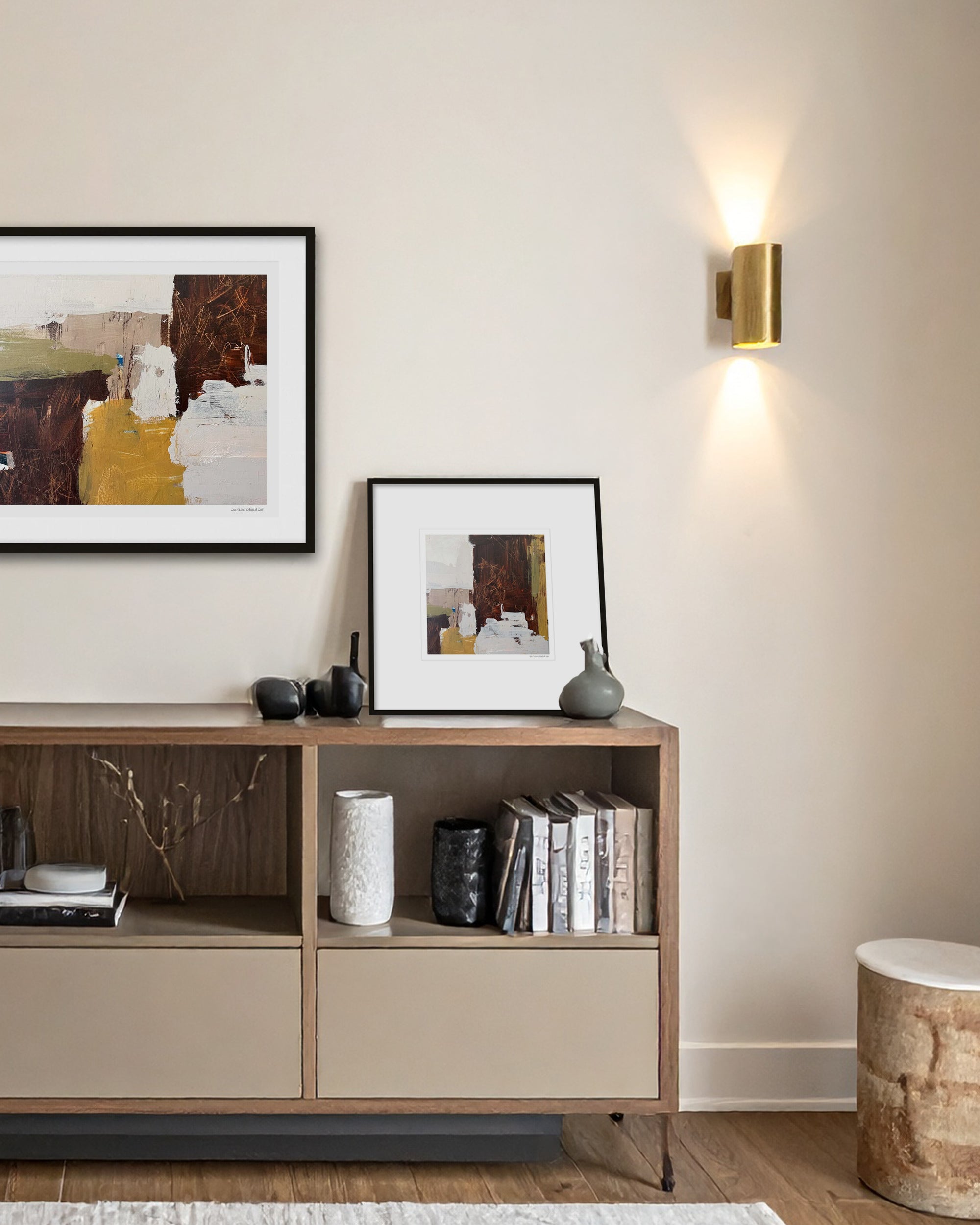

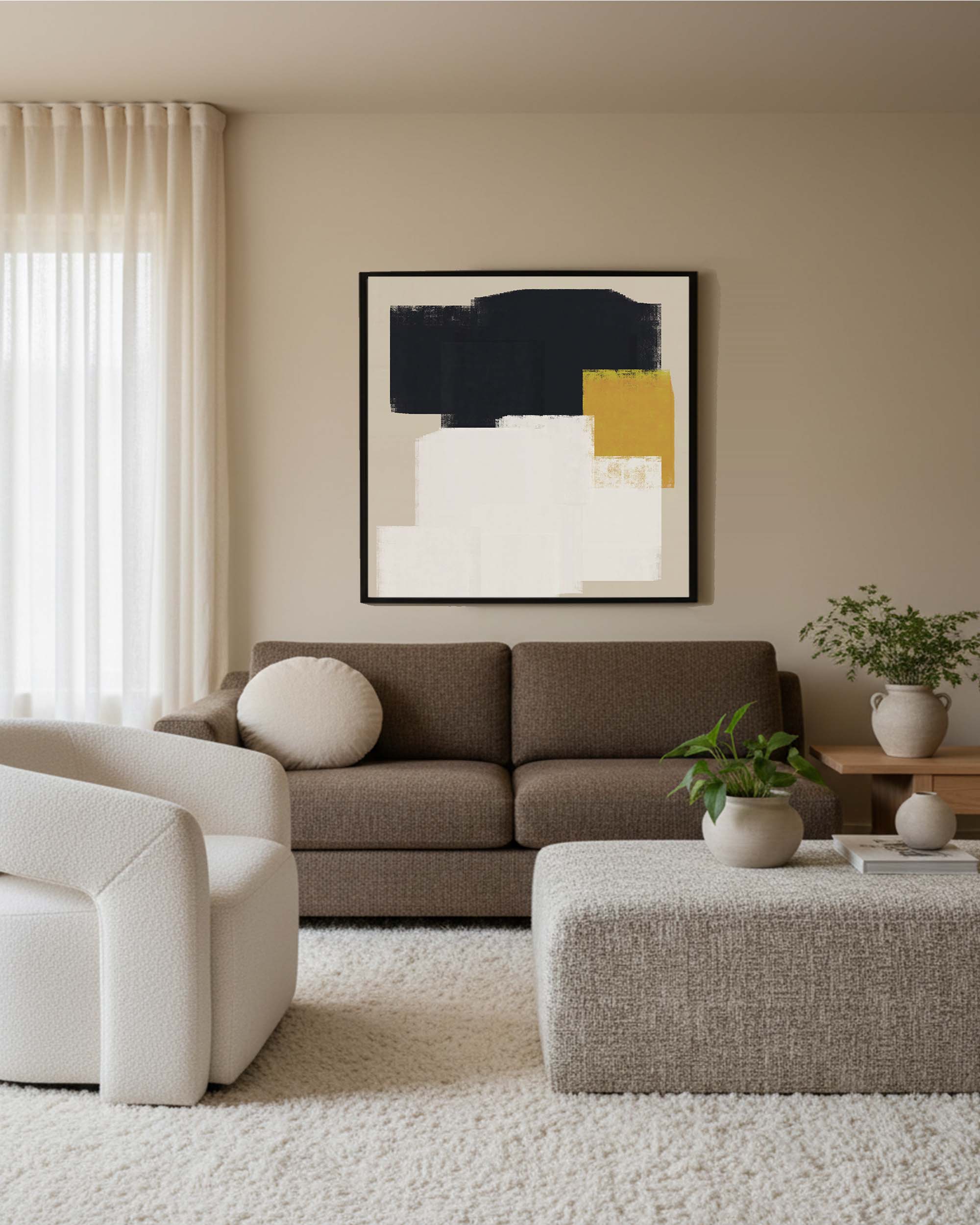
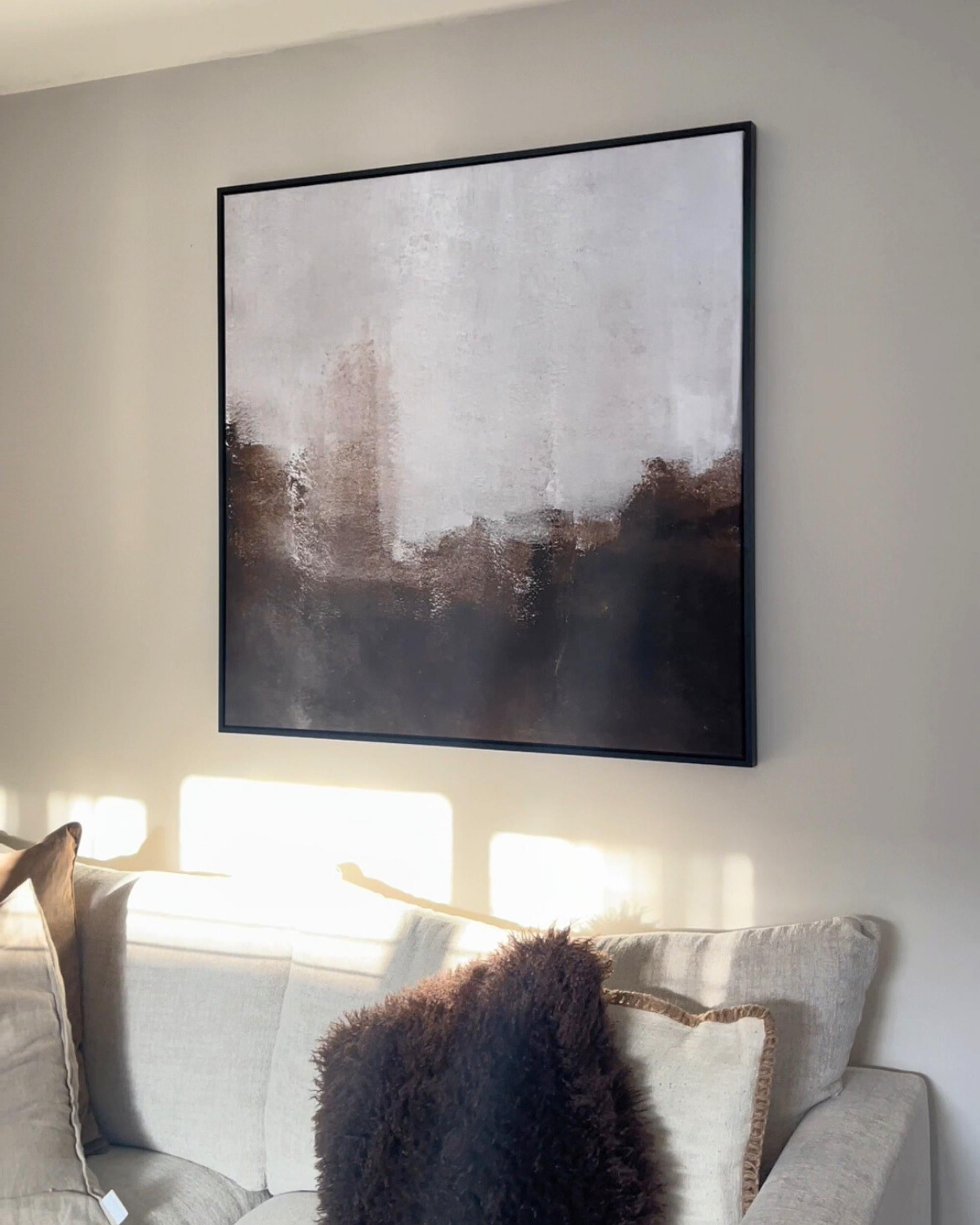
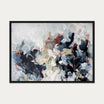
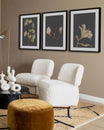
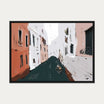
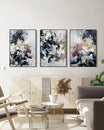
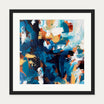
Original art is one of those categories that seems, from the outside, to require either serious money or serious knowledge. Neither is true. The UK art market spans an enormous price range — from paintings by emerging graduates starting at a few hundred pounds to established-artist works at five or six figures — and there has never been more accessible information to help first-time buyers navigate it.
This guide answers the questions people actually search when they start thinking about buying their first original painting.
What is the difference between an original painting and a print?
An original painting is a unique, one-of-a-kind work made by hand — oil on canvas, acrylic on board, mixed media on paper. It exists as a single object in the world. A print (including giclée prints, lithographs, and screenprints) is a reproduced image, even when it is signed and numbered. Limited edition prints can have real value, but they are categorically different from originals: there are multiple copies, and the hand of the artist is present only in the signing and numbering, not in the making of the image.
This distinction matters because originals appreciate differently, feel different in a room, and carry a different kind of meaning. The knowledge that the painting on your wall was made by one pair of hands, and exists nowhere else in the world, is genuinely different from a print — and most collectors, once they own an original, find prints feel like a different category of object.

How much does an original painting cost in the UK?
The range is wider than most people assume. Here is a rough guide to the UK market in 2026:
Under £500: Works on paper, small-format originals, paintings by early-career or student artists. This is a viable category — some of the most compelling contemporary painters are at the early stages of their careers and pricing accordingly.
£500–£2,000: The sweet spot for first-time collectors. You can find original canvases by emerging artists with strong exhibition records and art school credentials in this range. This is also where Abstract House's original painting programme begins.
£2,000–£10,000: Mid-market originals from artists with 5–15 years of exhibition history, gallery representation, and a measurable track record.
£10,000+: Established-name work, significant scale, or works with auction history. This is an investment category with corresponding due diligence requirements.
Where should I buy original art in the UK?
Direct from the studio or artist: The best value for money. No gallery markup (typically 40–60%), and a direct connection with the maker. Abstract House sells direct from our London studio, which is why our prices reflect the cost of the work rather than the cost of the postcode we occupy.
Independent galleries: Worth exploring in London (particularly Shoreditch, Bethnal Green, and Peckham rather than Mayfair), and in regional cities including Bristol, Manchester, and Edinburgh, where prices are 20–30% lower than equivalent work in the capital.
Art fairs: Graduate shows (Chelsea, Goldsmiths, RCA, Slade) are excellent for discovering emerging talent at accessible prices. The Affordable Art Fair runs in London twice a year and is specifically oriented toward the £100–£10,000 range.
Online platforms: Saatchi Art, Artsy, and smaller studio websites have made original art genuinely accessible online. The key when buying online is to ask for detailed photography, dimensions in context, and a condition report.

Can I negotiate on the price of an original painting?
Often, yes. Gallery prices are typically marked up to accommodate negotiation, and a polite enquiry — "Is there any flexibility on the price?" — is entirely standard practice in the art world. You can often achieve 10–20% off in a gallery context, particularly on a second visit or when buying more than one work.
When buying direct from artists or studios, the relationship matters more than the discount. If the pricing is already fair (no gallery markup), negotiating aggressively can feel disrespectful, and may close the door on future works by an artist whose career you want to follow.
How do I know if a painting is genuinely original?
Look at the surface. Oil and acrylic paintings have texture — the brushwork is legible in the physical object in a way that reproduction cannot replicate. Look for the artist's signature (typically on the front, sometimes on the reverse of the canvas), and check the back of the work for gallery labels, exhibition stickers, and any provenance documentation.
For works above £1,500, ask for a certificate of authenticity. For works above £3,000 by a named artist, consider checking the Art Loss Register to confirm the work has not been reported stolen.
Is original art a good investment?
The honest answer is: it depends, and that should not be your primary reason for buying. The UK art market saw average annual growth of around 7–9% between 2020 and 2025, but this figure is heavily weighted toward established names. Emerging artist work is volatile — some appreciates significantly, some does not.
The more reliable investment logic is personal: a painting that you love, that changes the quality of a room, and that you live with for a decade, has already delivered value independent of what it might fetch at auction. Buy work you would genuinely want on your wall even if it never increased in monetary value. The collectors who approach it that way tend to build the most interesting collections.

What size should I choose?
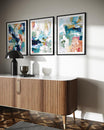
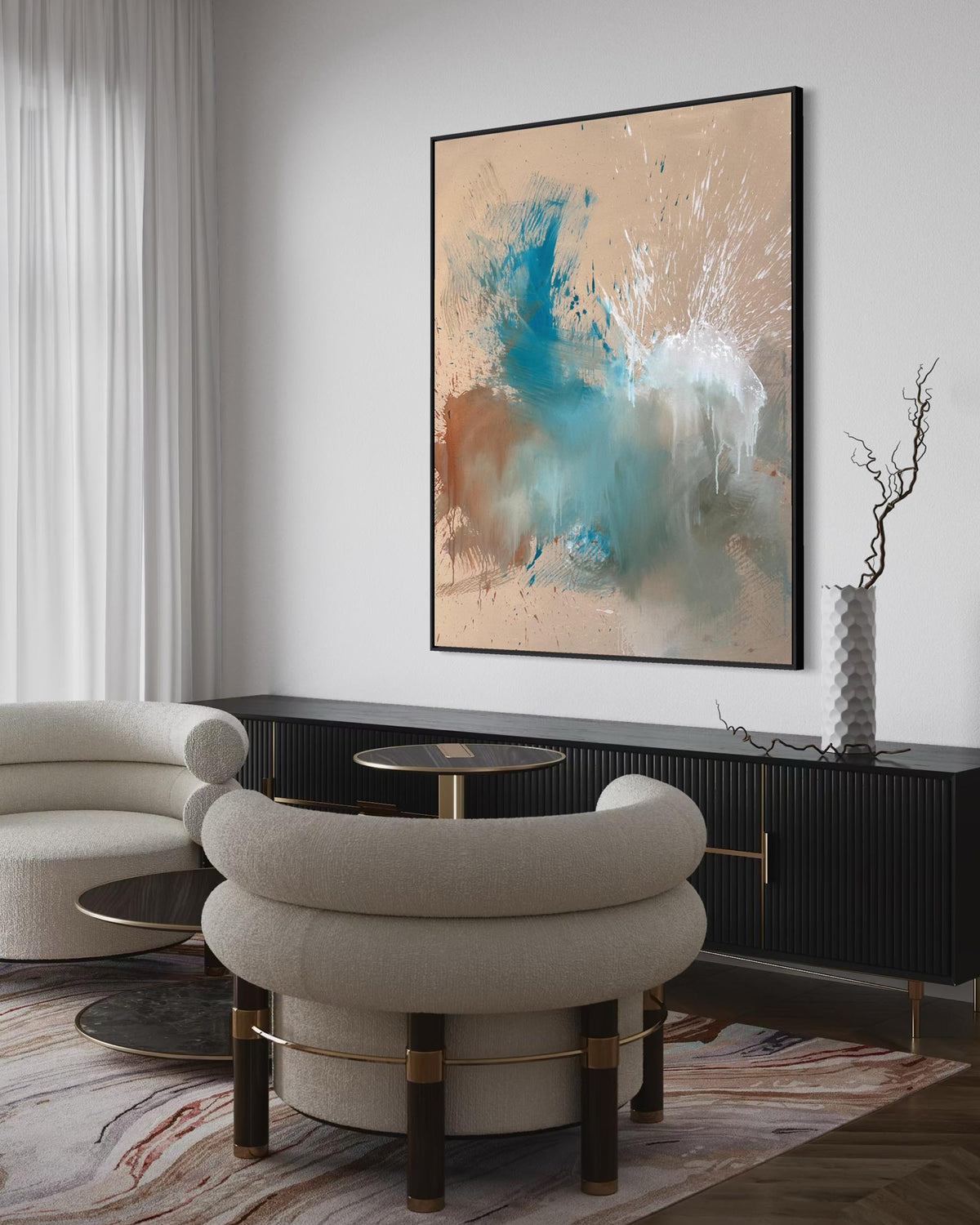
Proportion matters enormously. A work that is too small for a wall will look tentative; one that is too large will overwhelm. A good rule of thumb: the painting should occupy roughly two-thirds to three-quarters of the width of the furniture beneath it (a sofa, a console table, a headboard). For a blank wall with no furniture reference, a substantial single work or a considered group of smaller pieces tends to be more satisfying than a single piece that undersells the space.
Abstract House offers art consultations — led by Summer Obaid, who can advise on sizing, framing, and placement for your specific space. Use it.
Shop original paintings direct from our London studio at abstracthouse.com. Free UK delivery on all orders. Free Art consultations available by appointment.