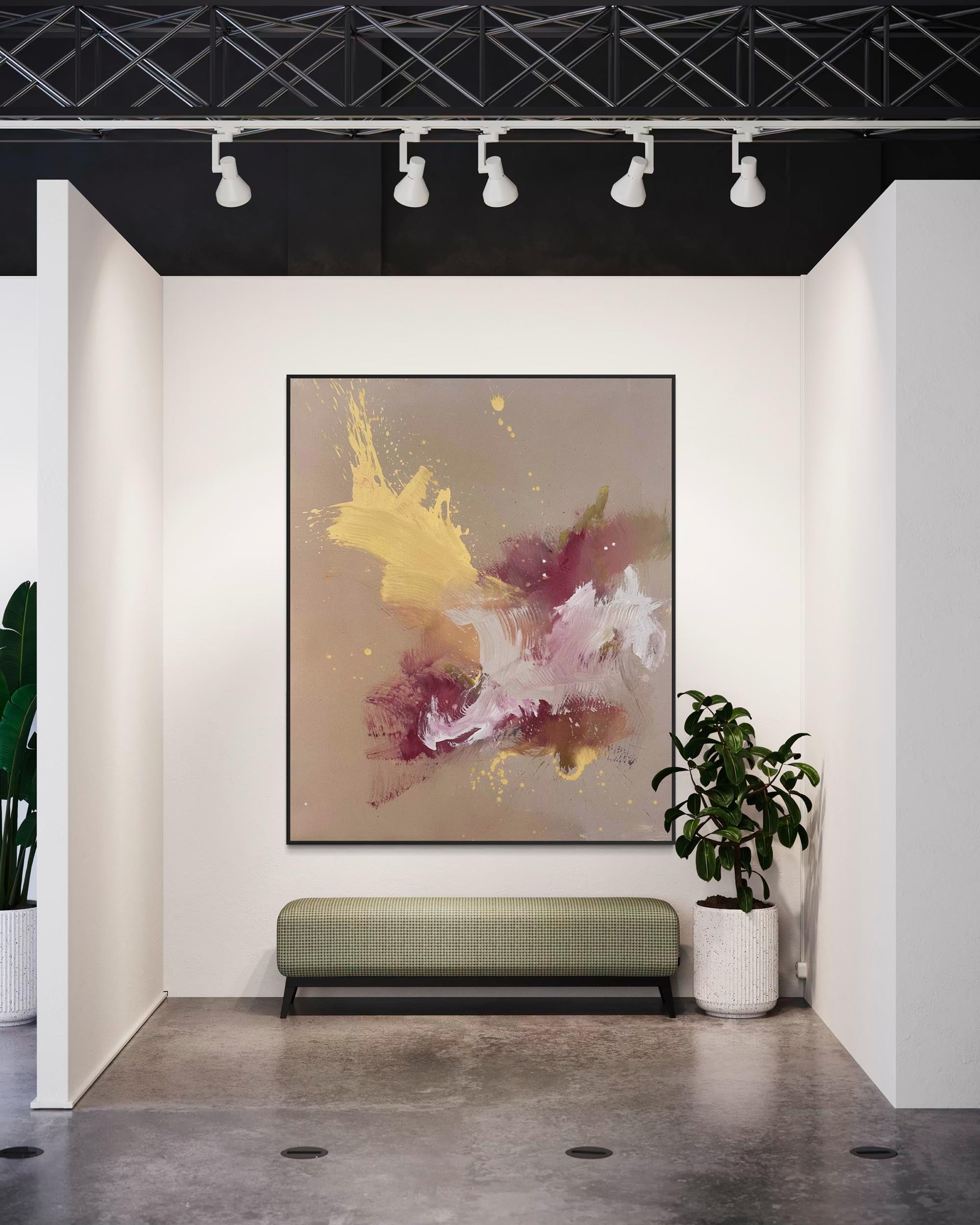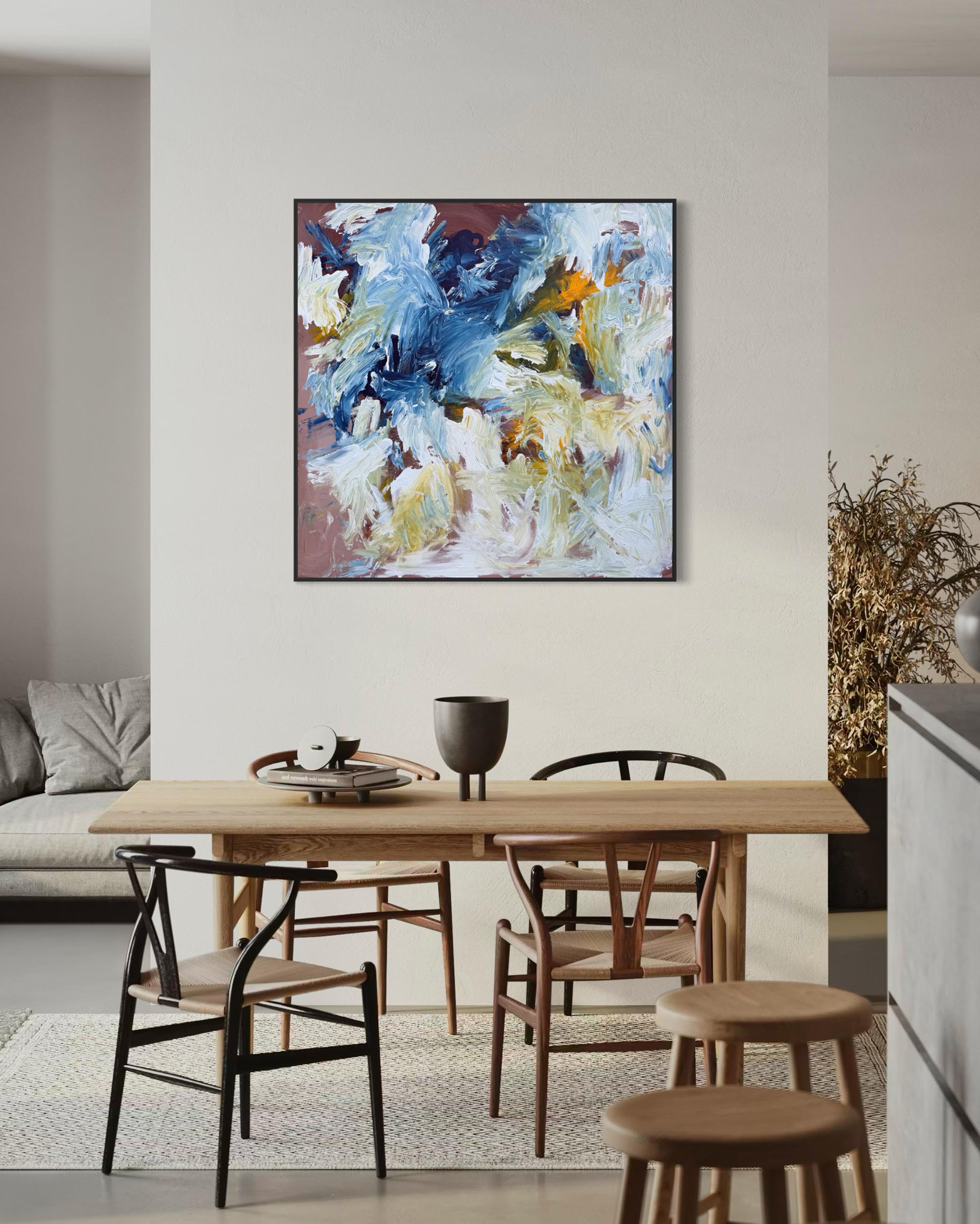

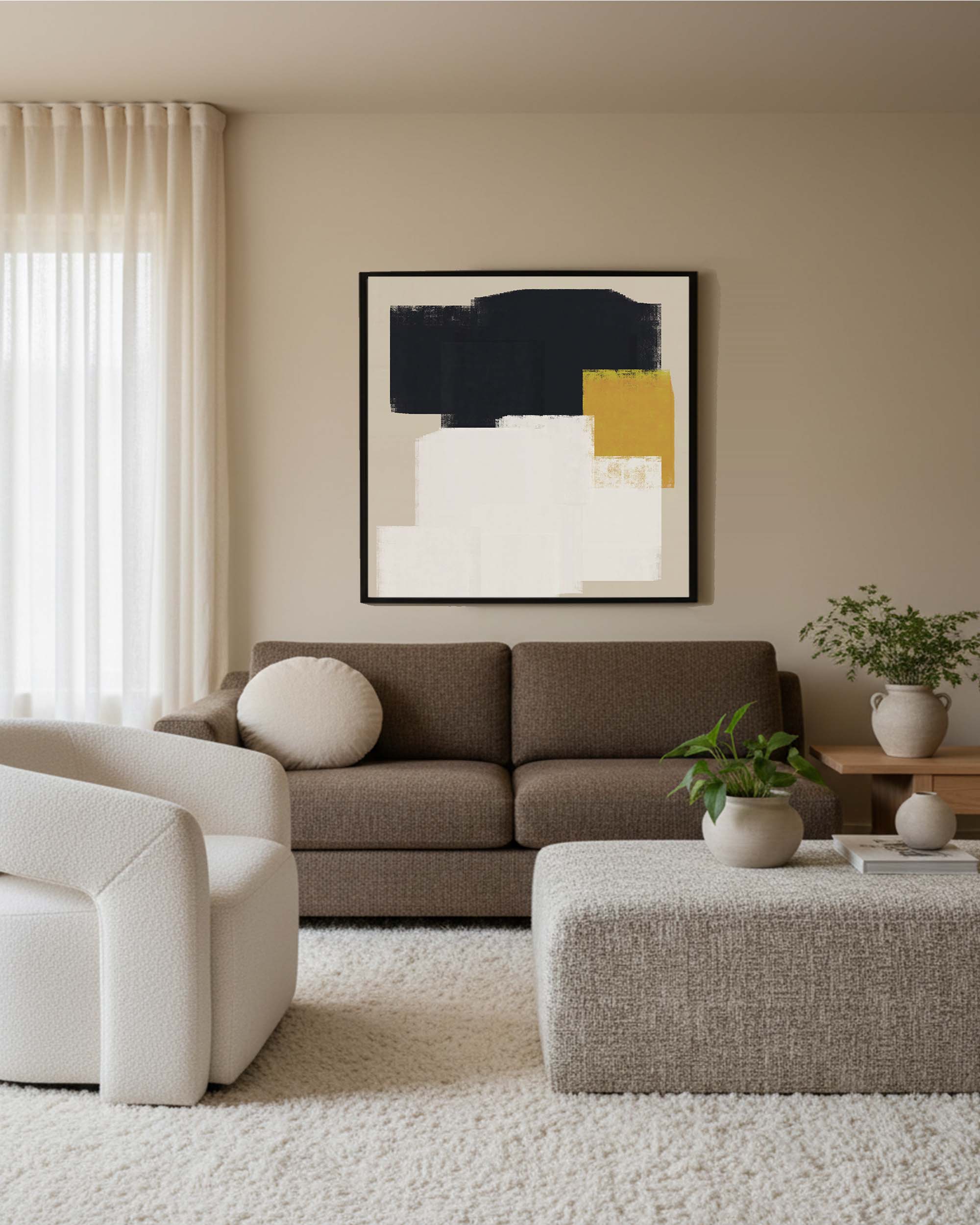
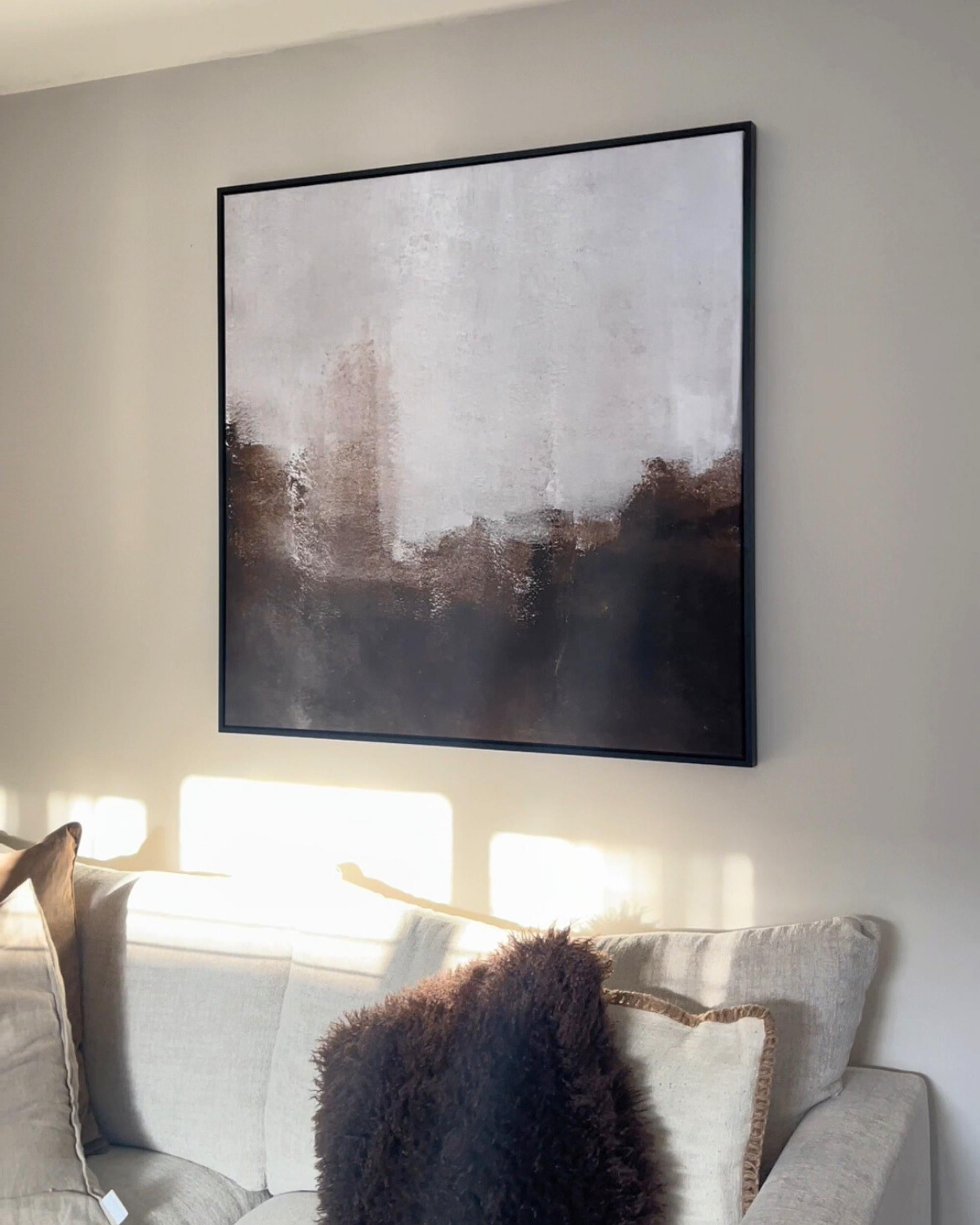








It is a phrase that appears on product descriptions, gallery websites, and artist statements across the art world. "Archival quality." "Archival materials." "Museum-grade archival inks."
But what does it actually mean? And how do you know when it is a genuine claim versus marketing language?
The definition
In the context of art and printing, "archival" refers to materials designed to resist deterioration over time. Specifically, archival materials are chemically stable (acid-free or acid-neutral), resistant to the factors that cause degradation — primarily UV light, humidity, and oxidation — and designed to maintain their original properties for a minimum of 100 years under controlled conditions.
The term has technical origins in the standards used by museums, libraries, and galleries, where the preservation of materials over centuries is the explicit institutional goal.

What makes a paper archival?
Standard printing paper is made from wood pulp, which contains lignin and acidic compounds that cause it to yellow and become brittle over time. You will have seen this in old newspapers — the colour shift and fragility are the result of acid degradation.
Archival paper is manufactured differently. Museum-grade fine art papers — like the Hahnemühle Photo Rag 310gsm we use at Abstract House — are made from 100% cotton rag, a material that contains no lignin and is pH-neutral. Cotton rag papers can remain stable for centuries without yellowing, brittling, or losing structural integrity.
The paper weight (measured in gsm) is relevant too. Heavier papers have greater substance and are less susceptible to moisture warping and handling damage.
What makes an ink archival?
The distinction here is between dye-based and pigment-based inks. Dye-based inks are dissolved in liquid. They are bright and immediately saturated, but they sit on the surface of the substrate and break down under UV exposure — often visibly within five to ten years.
Pigment-based inks use fine pigment particles that bond into the surface of the substrate. They are significantly more lightfast. When tested under international standards (ISO 11798 is the relevant benchmark), quality pigment inks are rated to last 100 years or more under normal display conditions.
At Abstract House, we use a 12-colour pigment ink system for all our prints. The 12-colour gamut allows for a significantly wider colour range than standard 4-colour CMYK printing, meaning colours are reproduced with greater fidelity and without the colour banding that cheaper processes can produce.

What about framing?
Archival framing considers every component of the framing stack. Conservation glass (or museum glass) filters UV radiation. Acid-free matboard prevents acidic compounds from migrating to the print surface over time. Backing materials should similarly be acid-free.
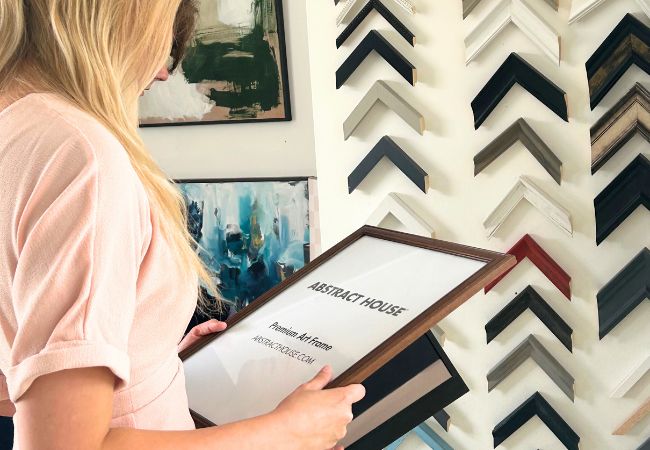
At Abstract House, our frames are produced in-house using premium solid wood and glazing, and our framing process is designed to protect rather than simply present.

How to tell if a claim is genuine
Ask these specific questions: Is the paper cotton rag or wood pulp? What is the paper weight? Are the inks pigment or dye-based? What is their rated lightfastness? Is the glass UV-filtering?
Vague claims about "quality printing" or "premium materials" without these specifics are not archival quality claims. Genuine archival specifications are precise and verifiable.
Archival quality is not a luxury. If you are buying art with the intention of living with it for decades — and perhaps passing it on — it is the minimum standard worth insisting on.