

Buying Wall Art Guide
Buying art should feel exciting, personal, and rewarding. Whether you are purchasing your first artwork, adding to an established collection, or choosing a meaningful gift, this guide will help you understand the different types of art available and what to consider before making your decision.
Before buying, consider:
- The size of the artwork and the available wall space
- The colours and atmosphere of the room
- Whether you prefer an original artwork or a print
- Whether the work is framed, unframed, or ready to hang
- The materials and surface used
- Your budget
- The care and display requirements of the piece
Original Paintings
Original Paintings
An original painting is a unique artwork created by the artist’s hand. Only one original version exists, although the artist may later produce prints inspired by the same work.
Original paintings may be created using oil, acrylic, watercolour, gouache, ink, mixed media, or a combination of materials. Brush marks, textures, layers, and small variations are part of the character of an original artwork.
Because each painting is unique, original works are generally priced higher than prints. The price may reflect the size of the piece, the materials used, the time required to create it, its complexity, and the artist’s career and exhibition history.
Original artworks should be clearly described as unique and may be marked as one of one or 1/1.
Art Prints
Art Prints
An art print is a reproduction of an original artwork or a work created specifically for printing. Prints offer an accessible way to collect an artist’s work and are often available in a choice of sizes.
High-quality prints are commonly produced using archival pigment printing, sometimes referred to as giclée printing. This process uses specialist inks and fine art papers or canvas to achieve accurate colour, detail, and longevity.
The appearance of a print may vary slightly from the image displayed on a screen because monitors, phones, and tablets reproduce colour differently.
Open-Edition Prints
Open-Edition Prints
An open-edition print may be produced in an unlimited quantity. It is usually more affordable than a limited edition and may remain available in several sizes or formats.
Open editions are not normally individually numbered, although they may still be signed by the artist.
Limited-Edition Prints
A limited-edition print is produced in a fixed quantity. Once every print in the edition has been sold, no further copies should be made in that exact edition, size, and format.
Limited editions are usually numbered using a format such as:
12/50
The first number identifies the individual print, while the second shows the total number of prints in the edition.
A lower edition number does not usually mean that the print is of higher quality. Prints within a professionally produced edition should be consistent.
Limited-edition prints may be:
- Signed and numbered by the artist
- Supplied with a certificate of authenticity
- Produced in one size or several separate editions
- Released on paper, canvas, or another specialist surface
Each size or material may form its own edition. For example, an artwork could have an edition of 50 prints on paper and a separate edition of 20 prints on canvas. These details should be stated in the product description.
Signed and Unsigned Artworks
A work may be signed on the front, reverse, margin, or accompanying certificate. The location of the signature often depends on the artist’s preference and the type of artwork.
Some prints are hand-signed by the artist, while others may include a signature reproduced as part of the printed image. A printed signature is not the same as a hand-signed print.
The product description should clearly state whether the artwork is:
- Hand-signed
- Initialled
- Signed on the reverse
- Signed on a label
- Unsigned
- Accompanied by a signed certificate
Certificates of Authenticity
A certificate of authenticity provides a record of the artwork and confirms its origin. It may include:
- The artist’s name
- The title of the artwork
- The year of creation
- The artwork’s dimensions
- The materials used
- The edition number, where applicable
- The artist’s signature
- Care or framing information
Keep the certificate in a safe place. Avoid attaching it permanently to the artwork unless specifically instructed, as it may be needed for insurance, valuation, resale, or provenance records.
Understanding Artwork Dimensions
Artwork measurements are normally given as height × width, followed by depth where relevant.
For framed works, both the artwork size and the overall framed size may be listed. Check the full framed dimensions when measuring your wall.
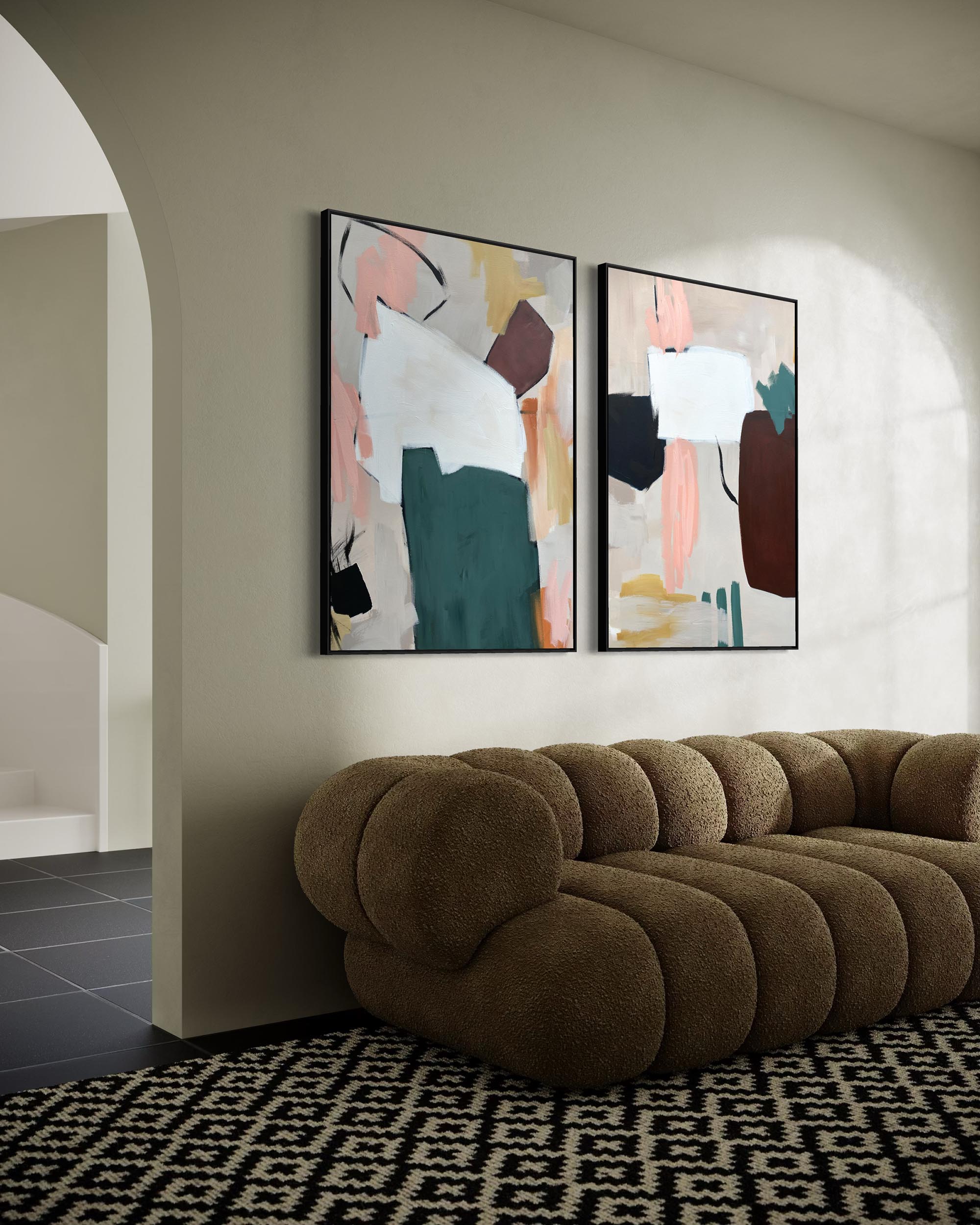
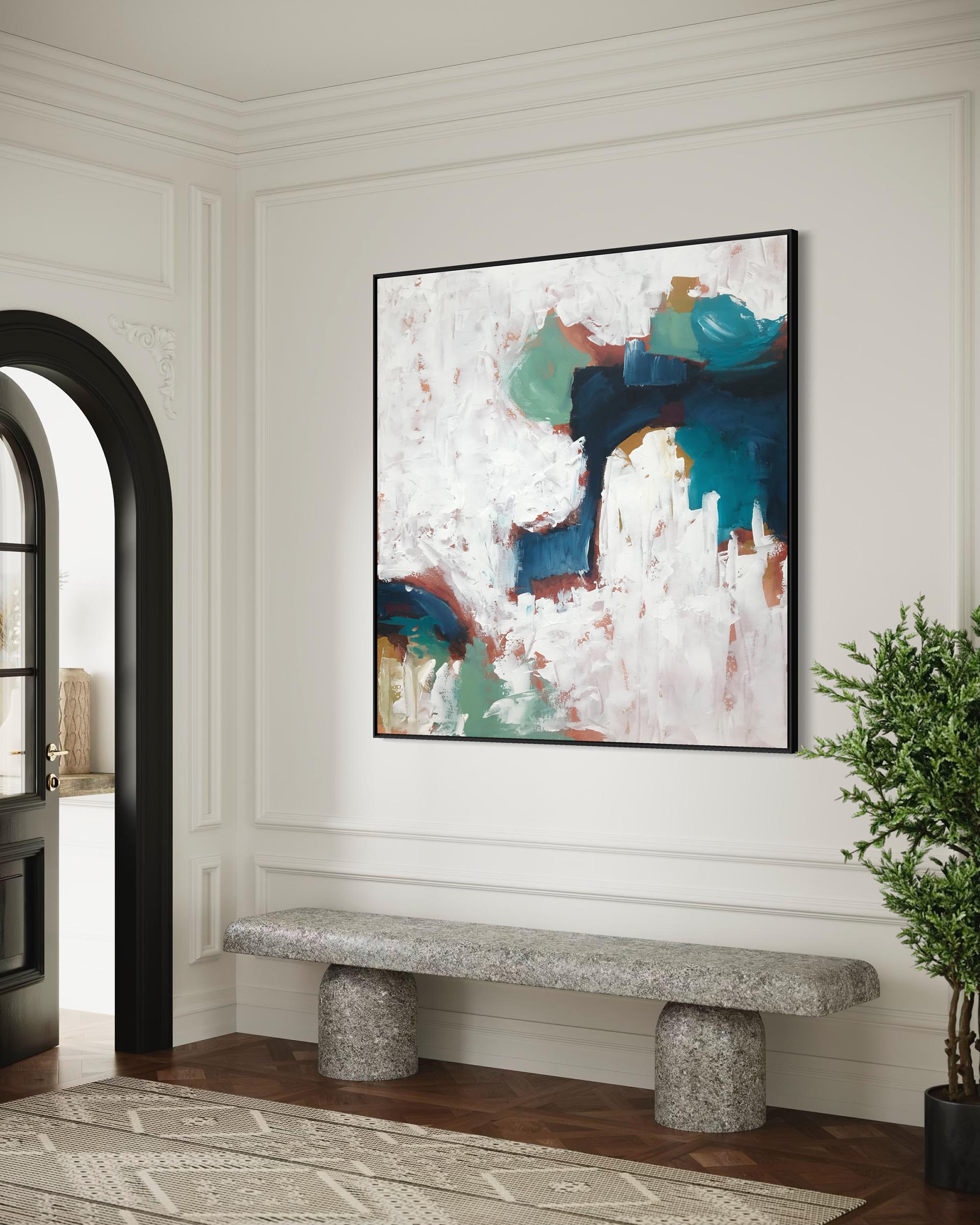
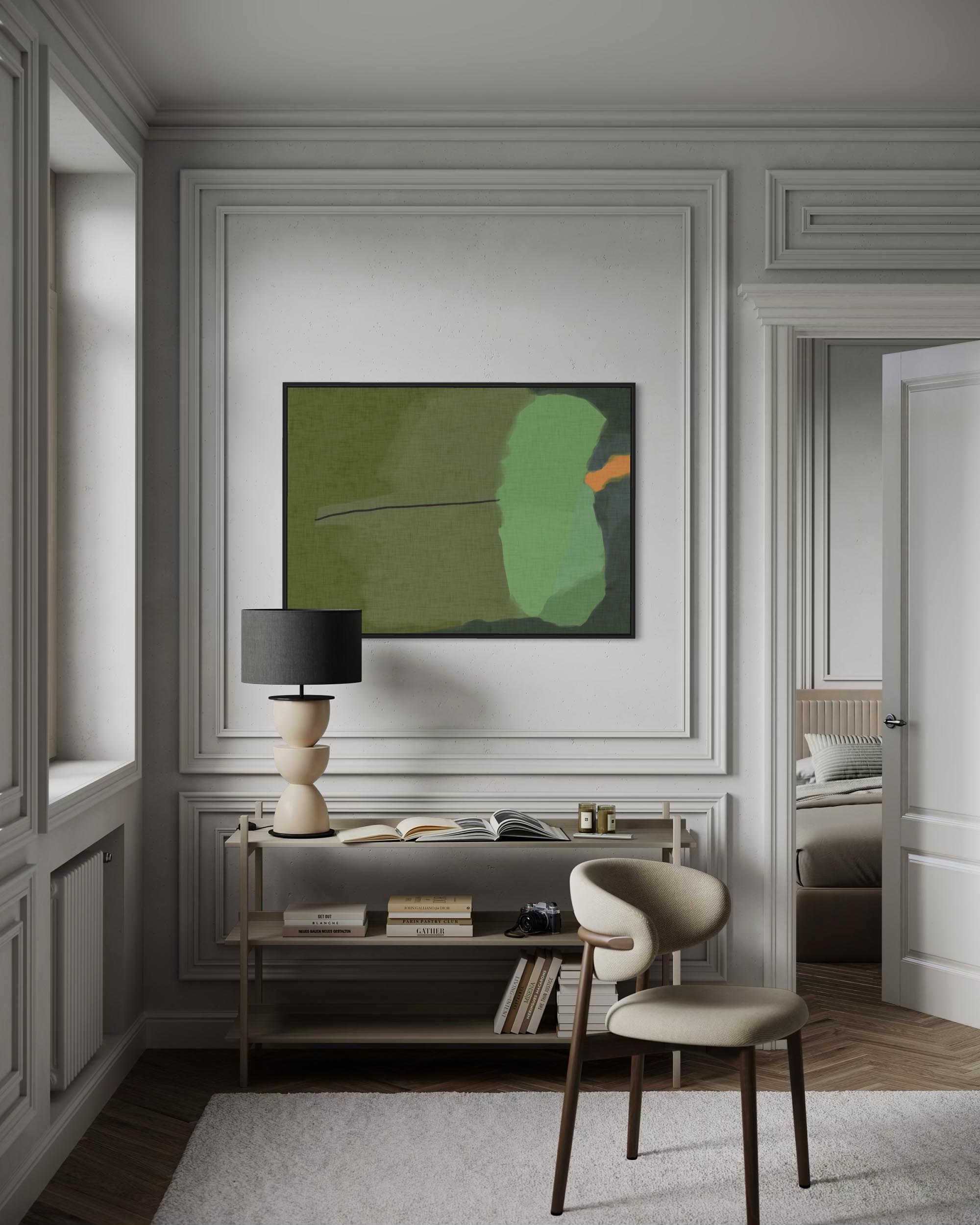
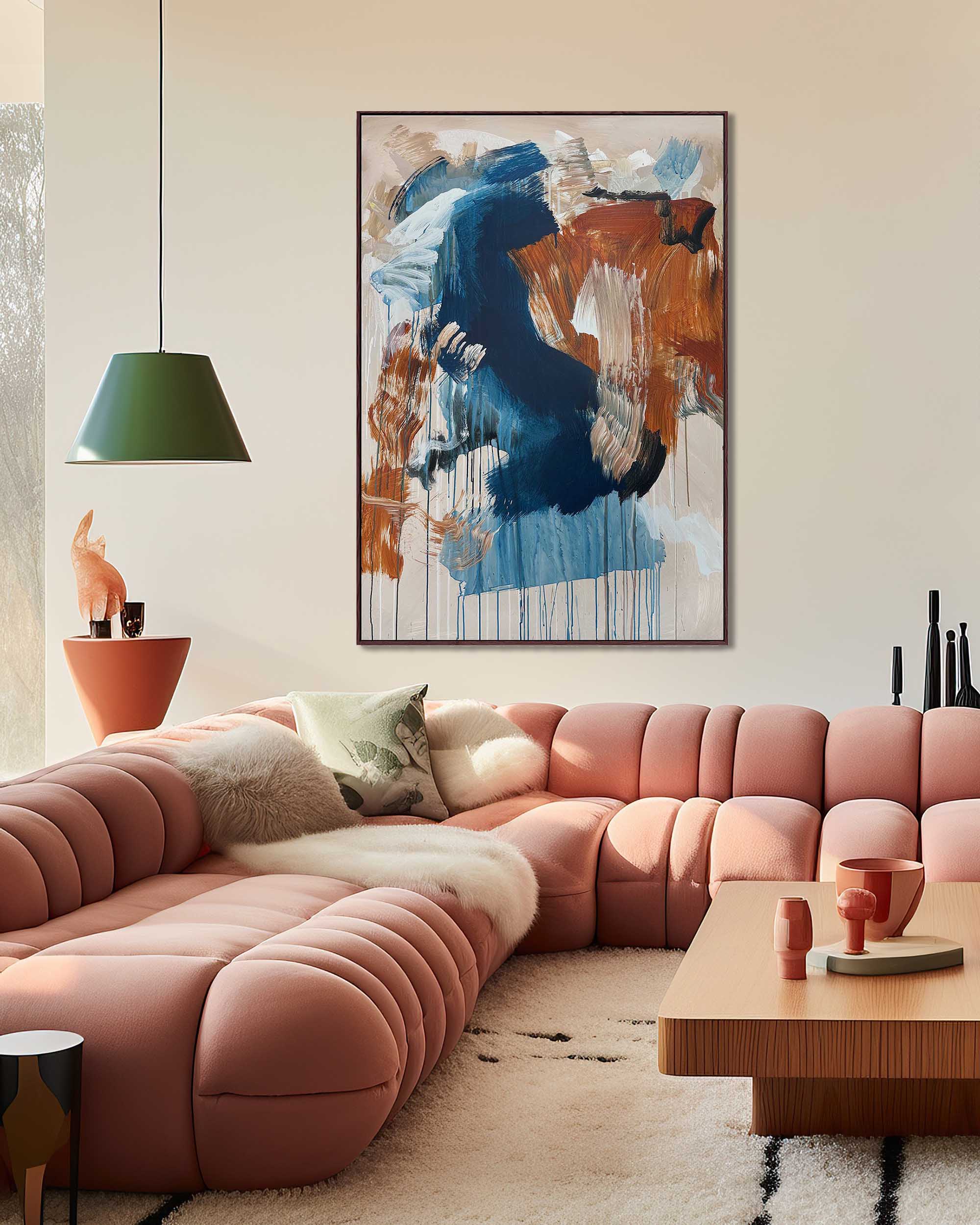
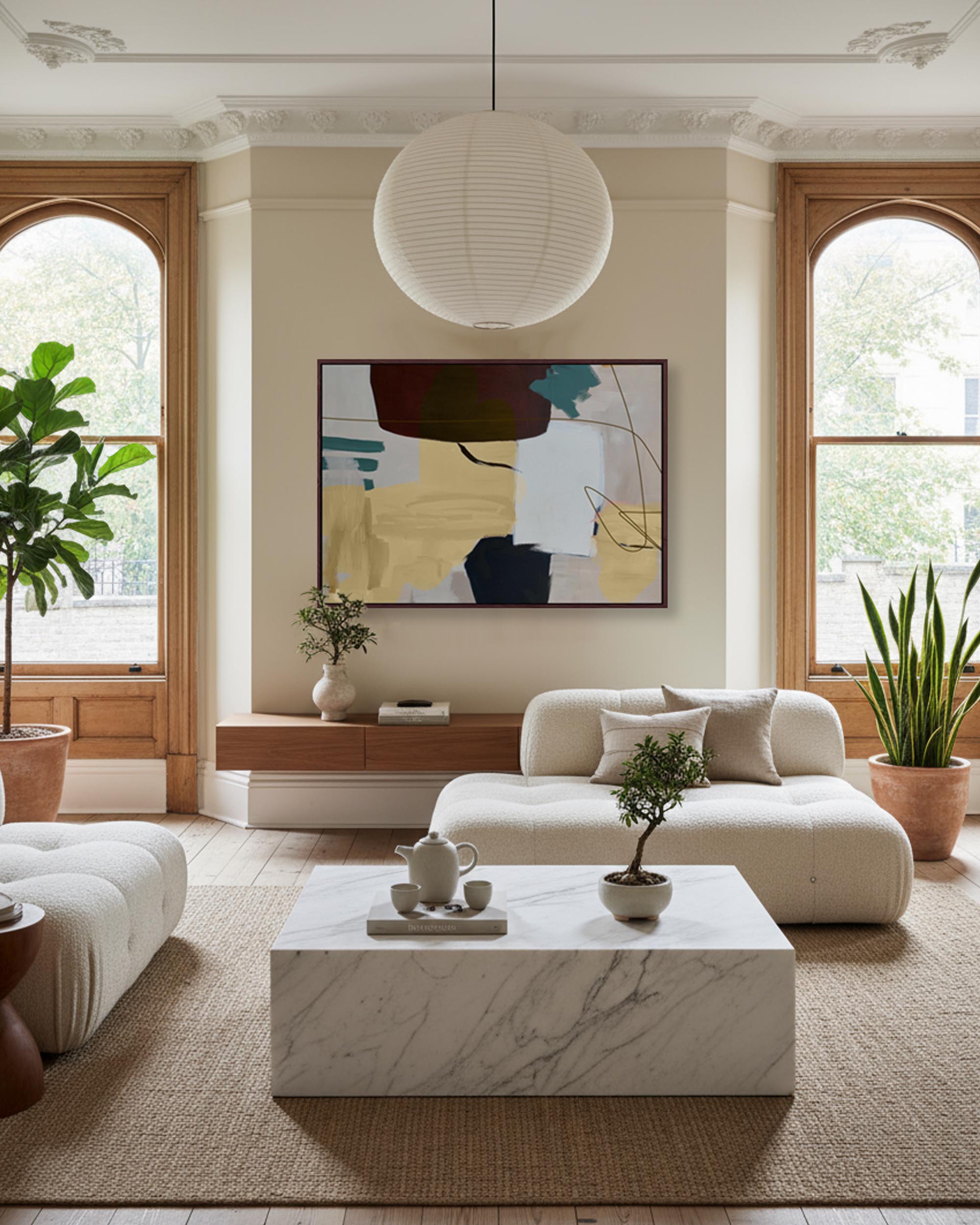
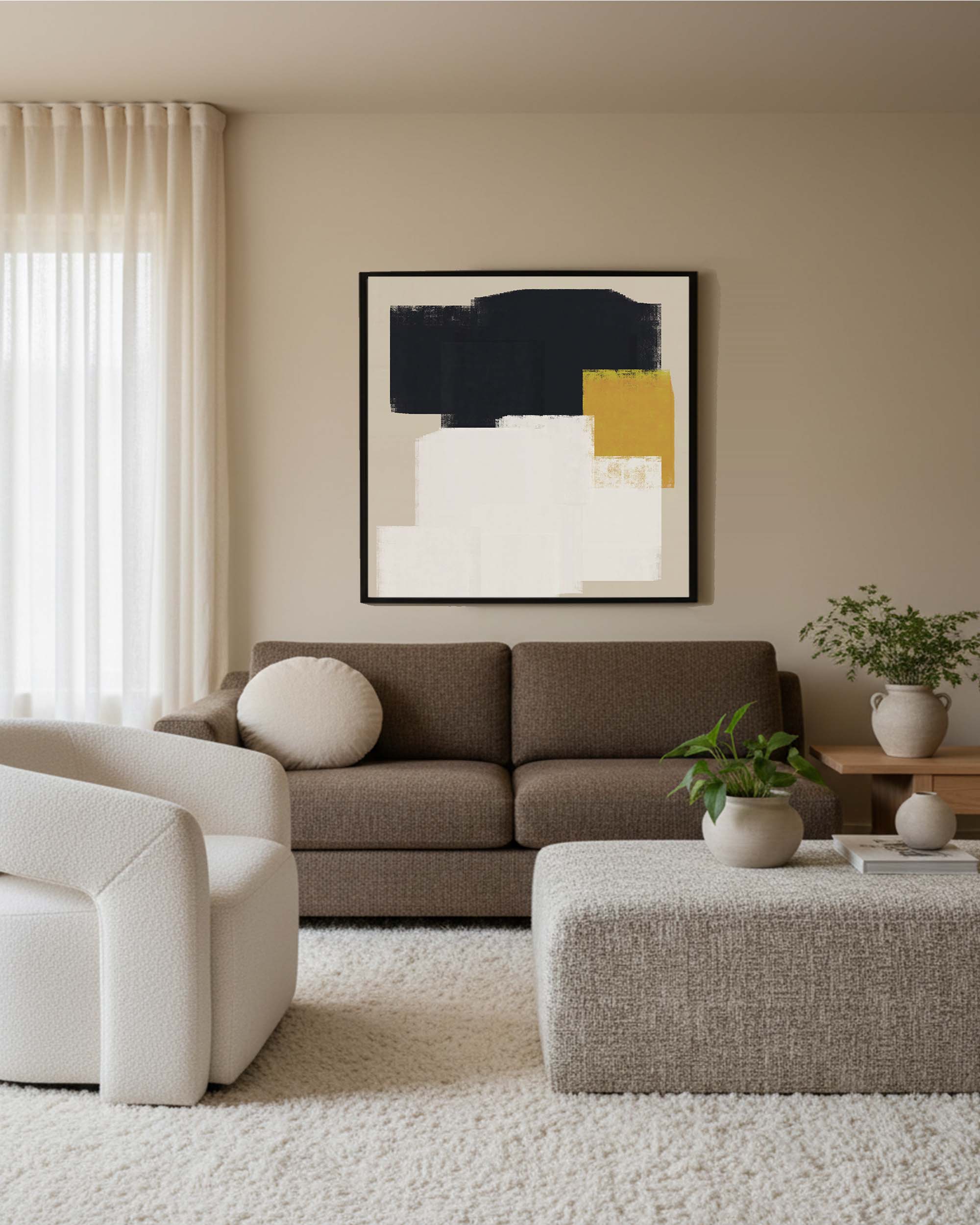
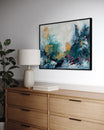
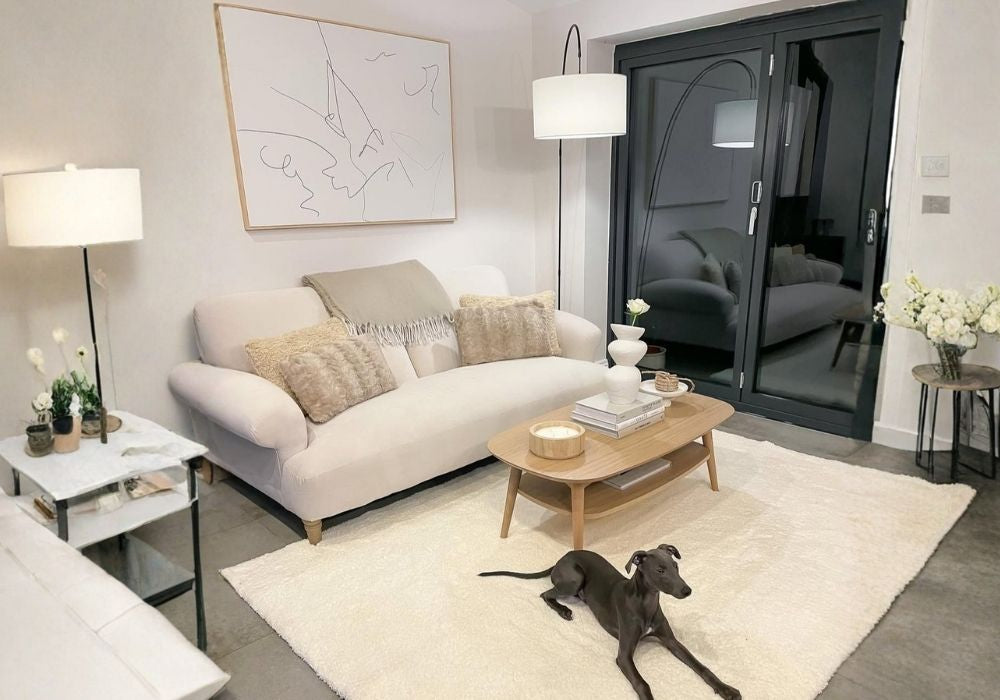
Product photographs may not always show the artwork to exact scale. Room mock-ups are intended as a visual guide, so always rely on the stated dimensions.
"The question isn't whether you can afford art — it's whether you can afford to live without it on your walls."
Artwork Surfaces and Materials
The surface on which an artwork is created or printed affects its appearance, texture, framing requirements, and care.
Canvas
Canvas
Canvas is a durable woven surface traditionally made from linen or cotton. It is widely used for oil and acrylic paintings and may also be used for high-quality canvas prints.
Canvas artworks may be stretched over a wooden support known as stretcher bars. A stretched canvas may be:
- Ready to hang without an external frame
- Displayed in a tray or floating frame
- Supplied rolled and requiring professional stretching
Always check whether the canvas is delivered stretched or rolled before ordering.
A gallery-wrapped canvas has the material wrapped around the sides of the stretcher bars. The edges may be painted, left in a natural finish, or show a continuation of the image.
Fine Art Paper
Fine Art Paper
Fine art paper is designed for professional artwork and printing. It is available in different weights, textures, colours, and finishes.
Common finishes include:
- Smooth
- Lightly textured
- Heavily textured
- Matte
- Satin
- Gloss
Cotton rag paper is a premium, archival-quality paper made partly or entirely from cotton fibres. It is valued for its texture, durability, and ability to reproduce colour and detail.
Paper artworks normally require framing behind glazing to protect them from dust, handling, moisture, and environmental damage.
Watercolour Paper
Watercolour Paper
Watercolour paper is usually thicker and more textured than standard drawing or printing paper. Its surface is designed to absorb water-based paint without excessive warping.
Watercolour artworks should generally be framed behind protective glazing and should not touch the glass directly.
Wood Panels and Boards
Artists may paint on wood panels, birch panels, aluminium composite panels, or prepared art boards. These rigid surfaces can provide a smooth finish and may support detailed work or heavier layers of paint.
Some panel artworks can be hung as they are, while others may benefit from a frame. Hanging and framing information should be included with the individual artwork.
Mixed-Media Surfaces
Mixed-media artworks may combine paint, ink, pencil, collage, textiles, pastels, metallic leaf, resin, or other materials. These pieces can have raised, delicate, reflective, or textured areas.
Because mixed-media works vary widely, follow the care and display instructions supplied with the artwork.
Buying Framed Art
A framed artwork arrives closer to being ready for display. Check the product details for information about:
- Frame material and colour
- Frame width and depth
- Mount or matting
- Type of glazing
- Hanging fixtures
- Overall framed dimensions
- Whether the frame is included in the listed price
Frames shown in styled photographs may sometimes be for display purposes only. The listing should clearly state what is included with the purchase.
Choosing a Frame
Choosing a Frame
A frame should protect the artwork while complementing it rather than competing with it.
Simple black, white, oak, walnut, or natural wood frames work well with many interiors. Ornate or coloured frames can create a stronger decorative statement.
When choosing a frame, consider:
- The colours and style of the artwork
- The existing furniture and finishes in the room
- The width and scale of the frame
- Whether the artwork needs a mount
- The level of protection required
- Whether the frame will be displayed alone or as part of a gallery wall
For valuable work, use acid-free and conservation-quality framing materials wherever possible.
Mounts and Matting
Mounts and Matting
A mount, also called a mat, is the border placed between a paper artwork and its frame. It creates visual space around the image and helps prevent the artwork from touching the glazing.
Mounts are available in different colours, widths, and depths. Neutral white or off-white mounts are versatile, but the best choice depends on the artwork and frame.
Only acid-free, archival-quality mountboard should come into direct contact with valuable artwork.
Glazing Options
Glazing Options
Standard Glass
Standard glass is affordable and provides basic protection, but it can create reflections and does not usually offer significant protection from ultraviolet light.
Anti-Reflective Glass
Anti-reflective glass reduces glare and improves visibility, making it useful in bright rooms or opposite windows.
UV-Protective Glass
UV-protective glazing helps reduce damage caused by ultraviolet light. It is recommended for original works, photographs, limited editions, and artworks displayed in rooms with strong natural light.
Acrylic Glazing
Acrylic is lighter and more resistant to breaking than glass. It is often preferred for large artworks, children’s rooms, public spaces, or artworks being shipped over long distances.
Floating and Tray Frames
A floating or tray frame is commonly used for stretched canvas and panel artworks. A small gap is left between the artwork and the frame, creating the impression that the piece is floating.
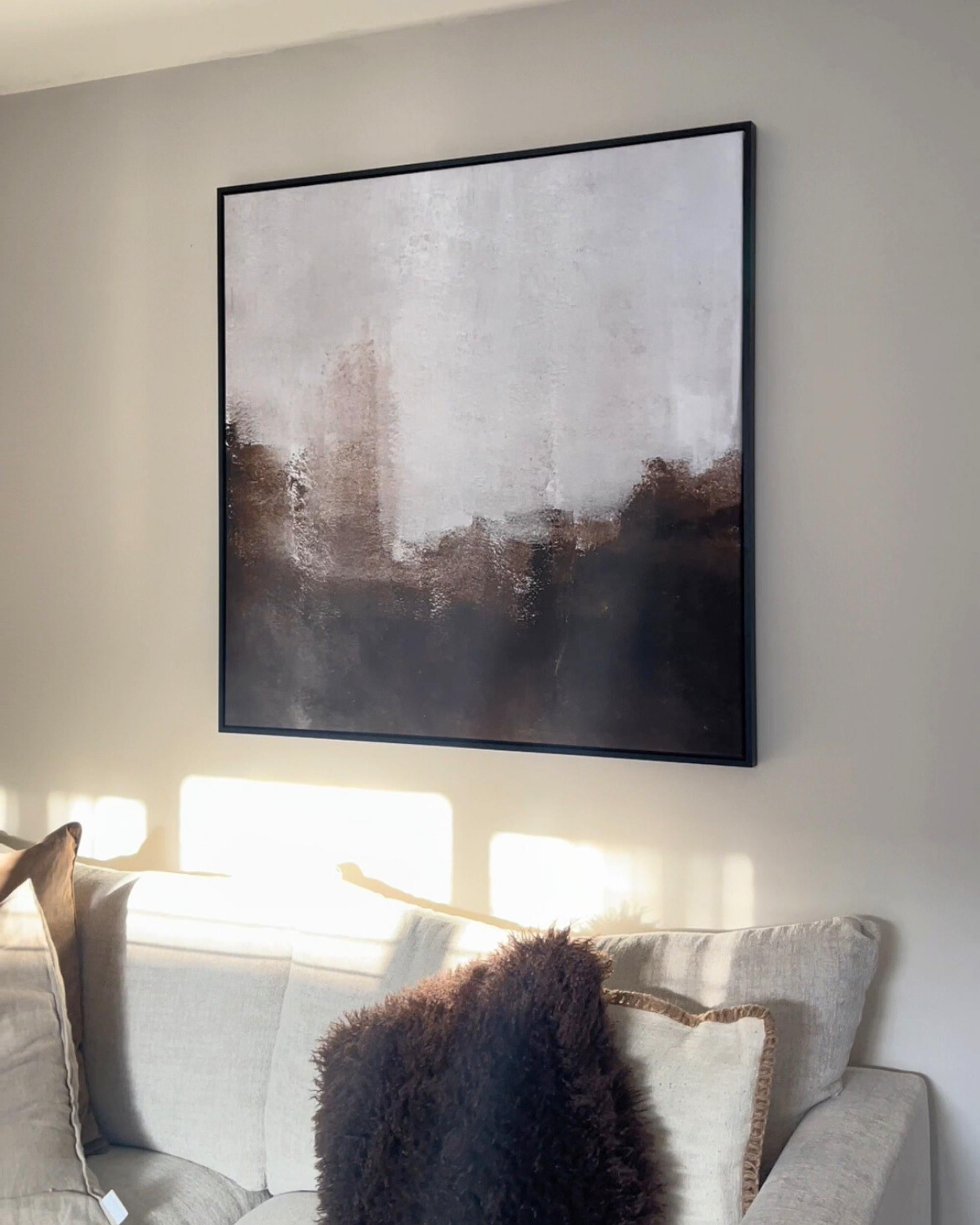
This style protects the edges while allowing the full surface of the artwork to remain visible. It works particularly well with contemporary paintings and canvas prints.
Displaying Your Artwork
Before hanging an artwork, check its weight, dimensions, hanging system, and the type of wall on which it will be displayed.
Use suitable hooks, screws, plugs, or specialist fixings. Large or heavy artworks may require two fixing points or professional installation.
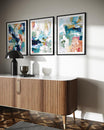
As a general guide, artworks are often displayed with their centre approximately at eye level. However, the ideal height will depend on the room, furniture, ceiling height, and surrounding artworks.
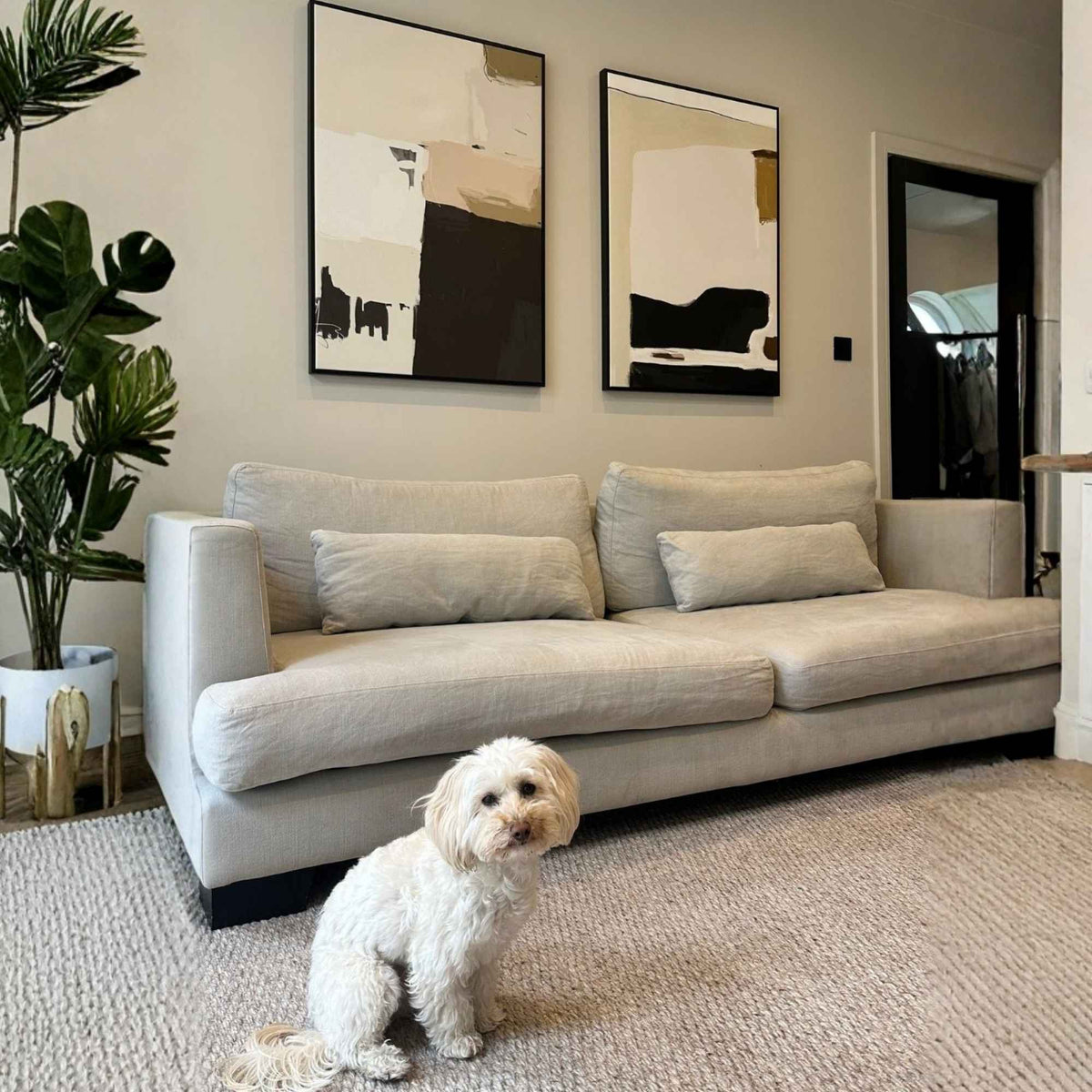
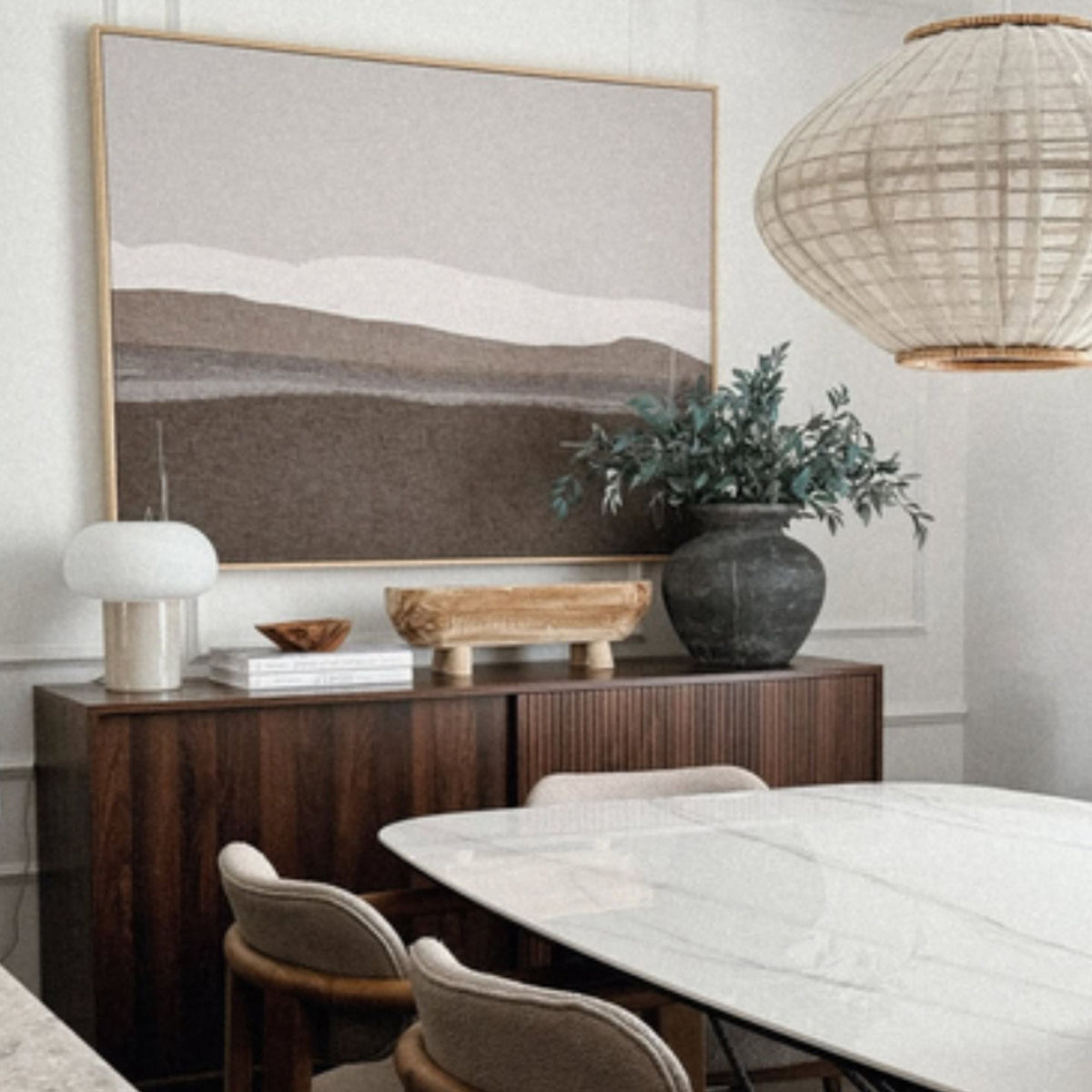
When hanging above furniture, leave enough space for the artwork to feel connected to the furniture without appearing crowded.
Best Art For
Neutral Abstract Sands Canvas Art
Face Line Drawing Art Print
Neutral Lines Canvas Art
Black Line Art Abstract Art Print
Mocha Ripple Canvas Art
Rothko Green Canvas Art
Abstract 471 Art Print
The Morning After Canvas Art
Sunset Landscape Art Print
Sunrise Forest Landscape Canvas Art
The Long Road Forest Painting Canvas Art
The Forest Trees Art Print
Botanical Abstract Leaf Art Print
Still Life Study I Canvas Art
Abstract Pineapple Art Print
Still Life Abstract II Canvas Art
Buying art is a personal experience. Take your time, trust your response to the work, and choose something you will be pleased to see every day.