


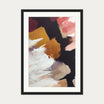

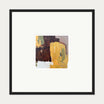



An original oil painting is a more complex object than a print. It is built from layers of paint applied over time, with a surface that continues to respond to its environment long after the final brushstroke. Caring for it well is not difficult, but it does require understanding what you are working with.
What makes oil paint unique
Oil paint dries through oxidation, not evaporation — a process that can take months to years depending on paint thickness and pigment type. Once fully cured, oil paint is remarkably stable. But in the interim period, and even beyond, the surface remains somewhat permeable to atmospheric conditions.
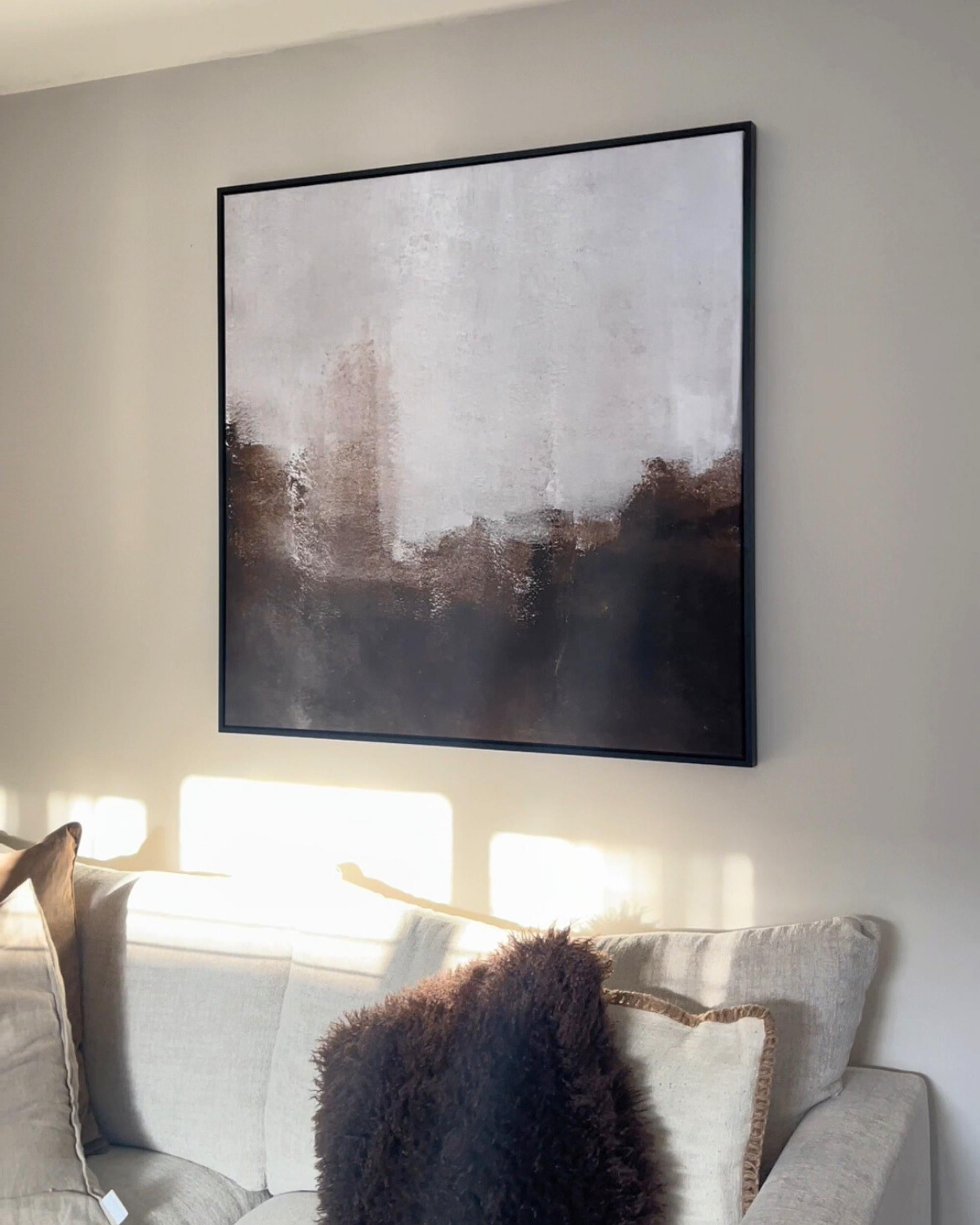
Oil paint also has significant inherent texture. The impasto marks and layered surfaces characteristic of expressive abstract painting are part of the work's physical identity — and they require slightly different handling than flat, smooth surfaces.

Light, temperature, and humidity
UV light causes oil pigments to shift over time; what begins as a rich deep ochre can gradually bleach under sustained UV exposure. Conservation-quality UV-filtering glass (where the painting is glazed) or careful positioning away from direct sunlight is essential.
Maintain stable atmospheric conditions. Oil on canvas is particularly sensitive to humidity fluctuations because the canvas substrate expands and contracts with moisture changes, which — over years — can cause paint to crack, flake, or lift at the edges. Avoid placing originals above radiators, near windows, or in any space subject to significant temperature swings.
Cleaning an original painting
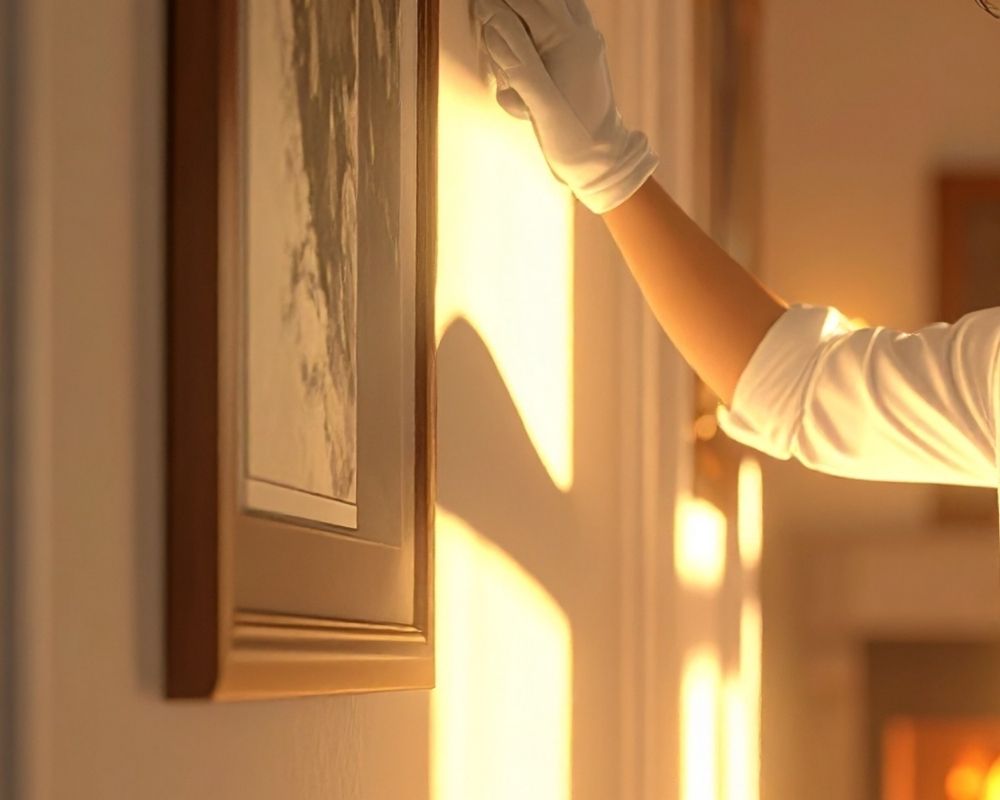
This requires a very light touch. For routine dust removal, use a very soft, dry brush — a clean, soft-bristle makeup brush works well — to gently sweep dust from the surface in one direction. Do not use cloths that can catch on textured or impasto areas.
Never use water, household cleaners, or commercial art-cleaning products on an original painting without professional advice. Many commercially available "restorers" are more damaging than helpful. If your painting requires anything beyond dust removal, consult a professional conservator.

Varnishing
Many original oil paintings benefit from a protective varnish layer applied once the paint has fully cured — typically six to twelve months after completion. Varnish protects the surface from dust and atmospheric pollutants, and can restore depth to areas that have become matte as the paint dried.
All Abstract House original paintings are prepared appropriately at the studio. If you wish to re-varnish your piece years down the line, a removable conservation varnish applied by a professional conservator is the correct approach. Avoid non-removable synthetic varnishes.
Display and hanging
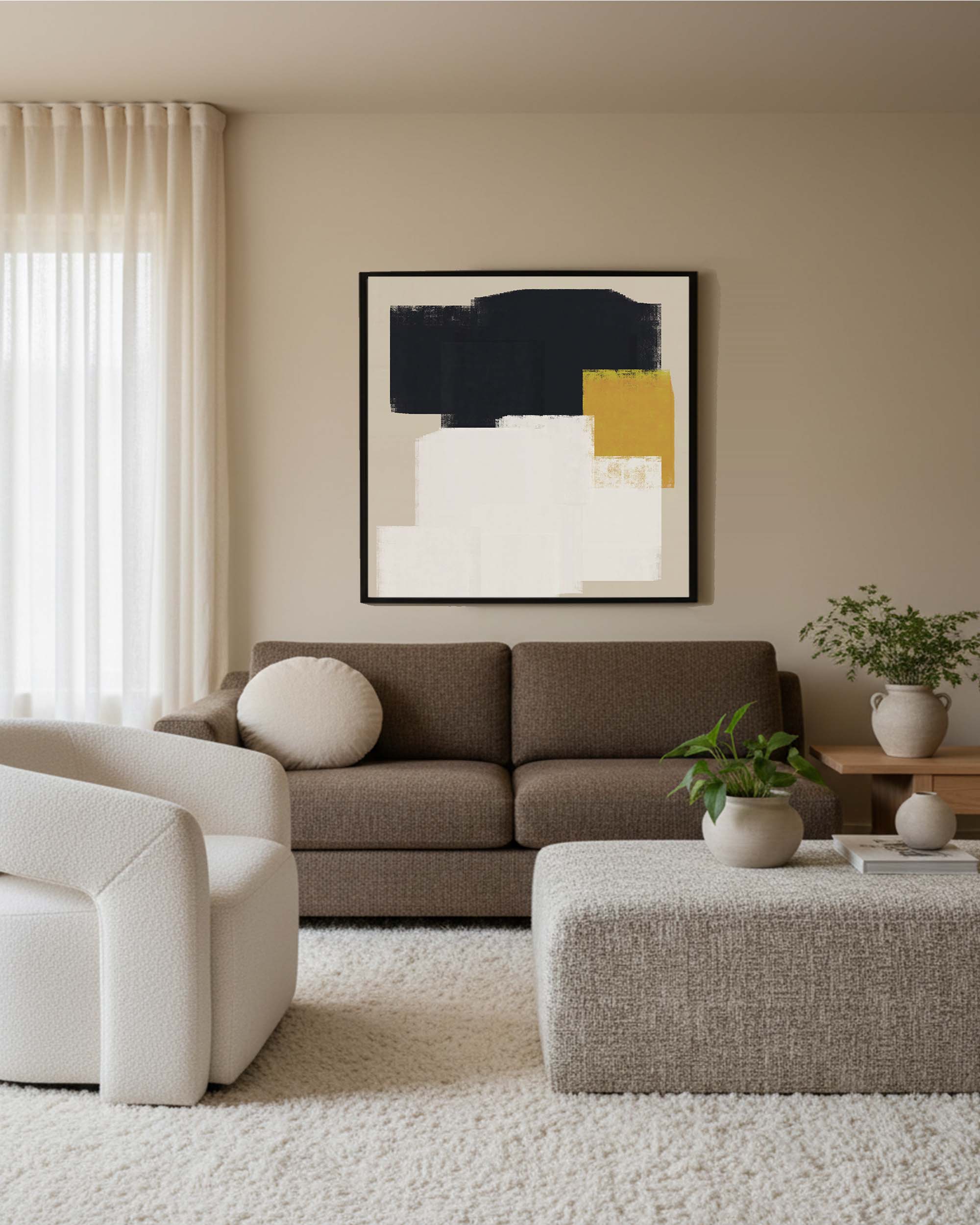
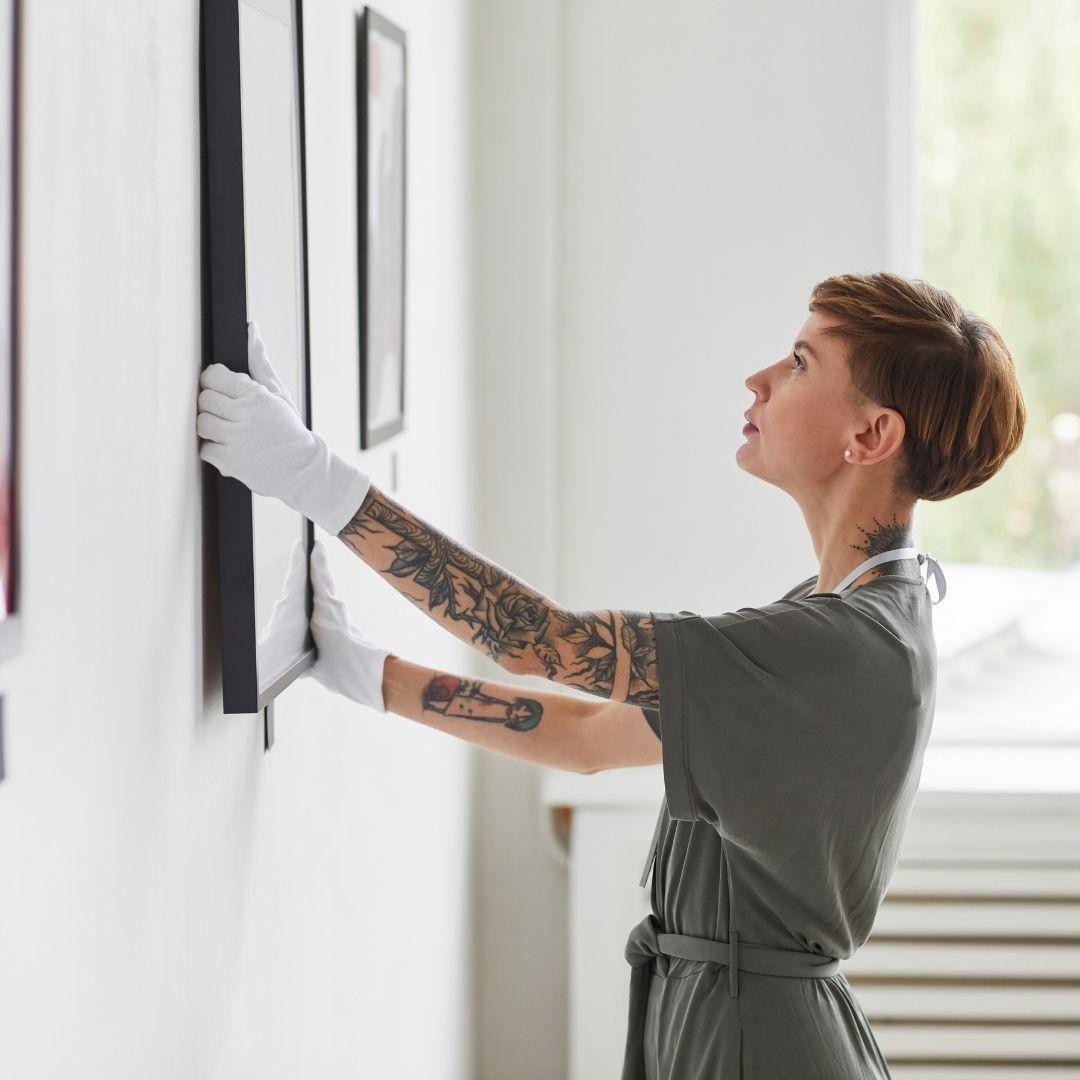
Never hang an original painting on a wall that shares an external face in extreme weather conditions — the temperature differential can cause problems over time. Ensure the hanging system is appropriately rated for the weight of the piece; large-format originals may require additional wall fixings or a French cleat system.
If you received your original in specialist packaging or a crate, keep this packaging — it is invaluable for any future transportation or loan.

The investment in care
A well-maintained original painting can outlive you, your children, and their children. These are objects built to last. What determines their longevity is almost entirely a question of how they are housed and cared for. The small investments in appropriate positioning, stable conditions, and professional attention when needed return enormous dividends across the decades.