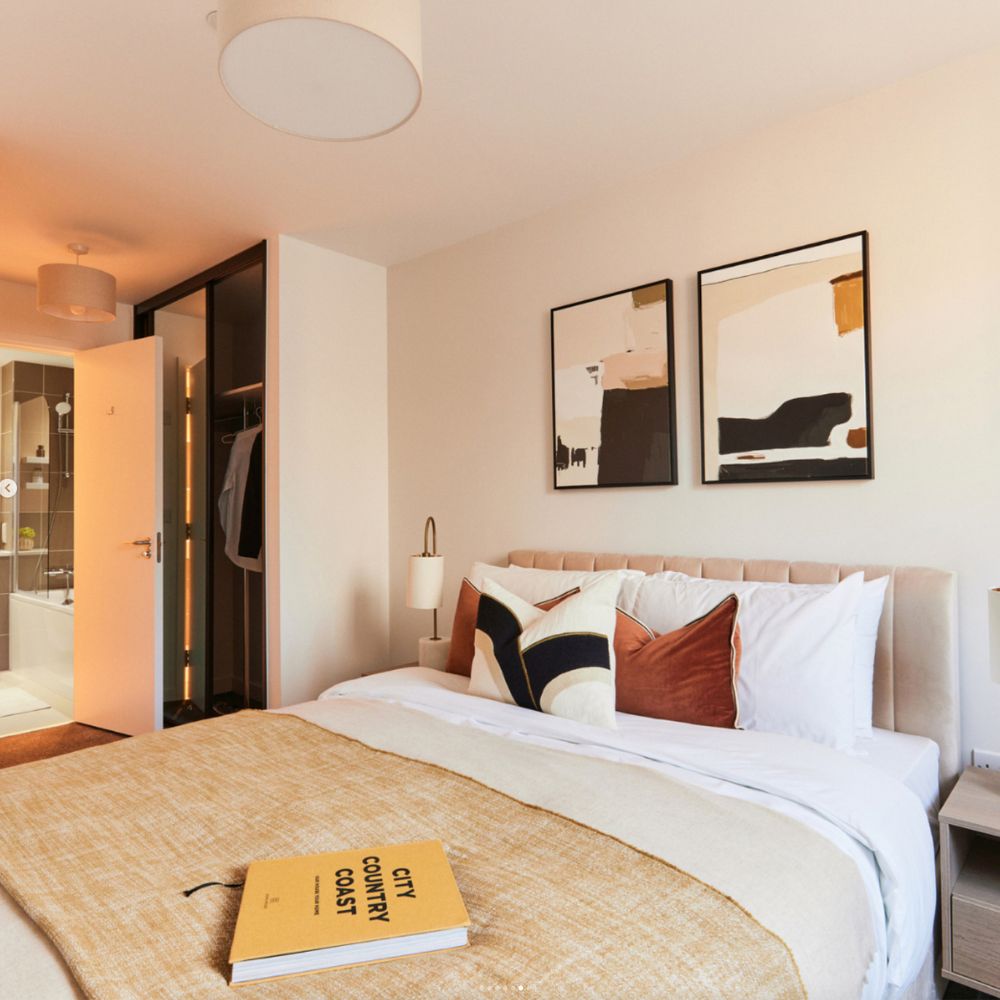

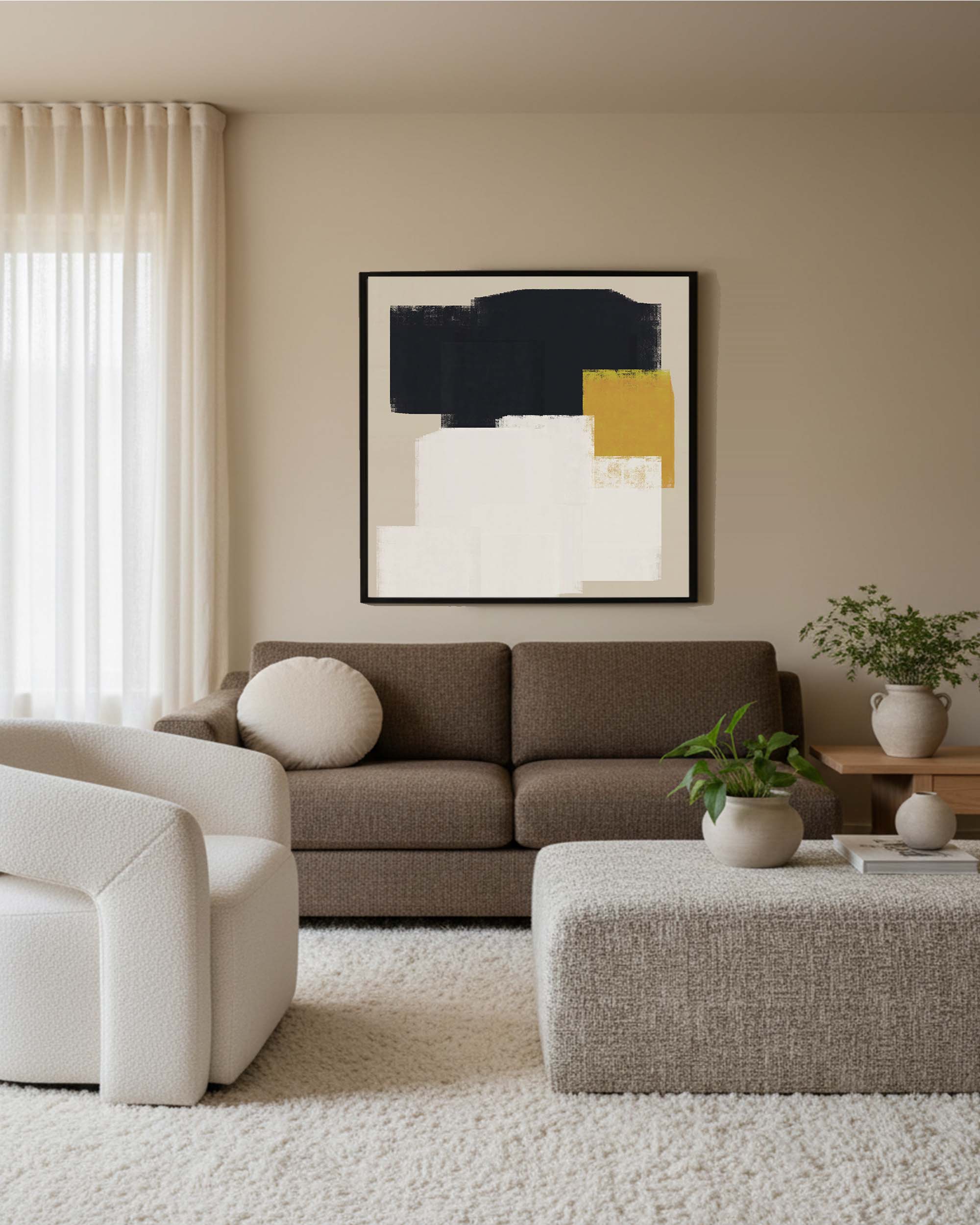
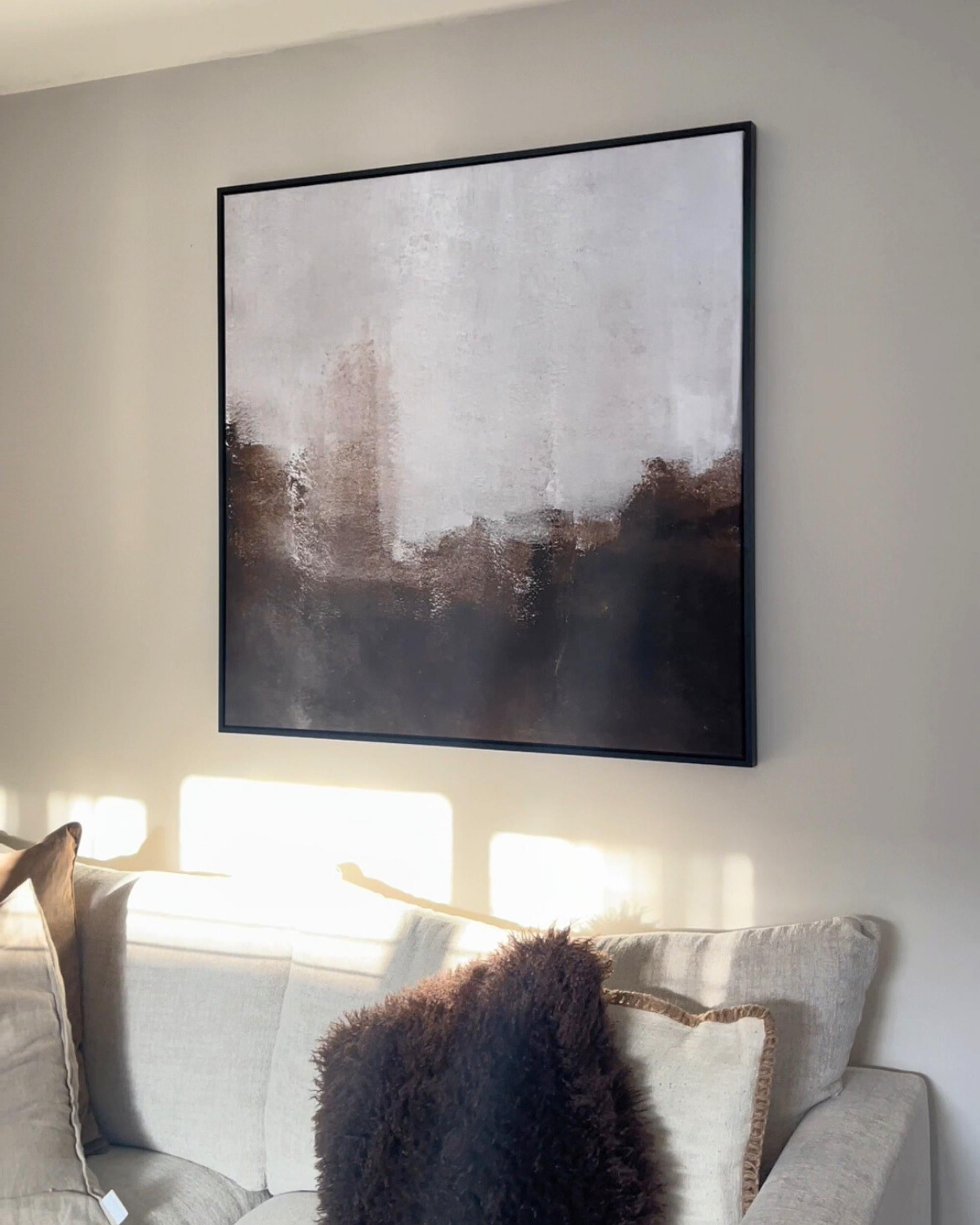
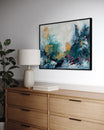
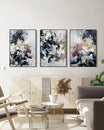

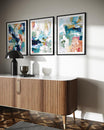
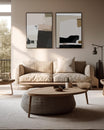
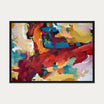
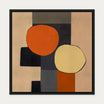
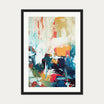

Art in commercial spaces has moved far beyond the motivational poster. In the decade since workplace wellbeing became a serious topic in corporate design, the specification of fine art in offices, hospitality venues, and commercial interiors has become a genuinely strategic decision — one that affects how people feel, how they work, and how guests experience a brand.
This guide is for the designers and specifiers making those decisions.

The brief before the art
The most important step in art specification for commercial spaces is understanding the brief before selecting any work. These are the questions that should precede every decision:
What is the primary experience of this space? A reception area communicates brand identity to new visitors. An open-plan office needs to sustain energy and focus across hours. A hospitality setting creates an emotional atmosphere that guests carry away with them. Each has different requirements.
What mood does the design language already establish? Art should converse with architecture, materials, and furniture — not override or contradict them.
Who will spend time in this space, and for how long? The relationship between viewer and artwork differs significantly between transient settings (lobby, corridor) and sustained environments (office, meeting room, restaurant).
Specification by space type
Reception and lobbies: These are high-impact, low-dwell spaces. Choose work that communicates immediately and confidently — something with strong visual identity that does not require extended viewing to register. Large-format originals or oversized limited edition canvas works make powerful statements. Neutral wall backgrounds allow the art to breathe.
Open-plan offices: Scale and variety are your allies. A large anchor piece on a primary wall establishes the space; smaller works in considered clusters create visual texture without demanding attention. Colour is decisive here — cool blues and neutrals promote focus; warmer tones promote energy and collaboration.
Meeting and boardroom: These are intimate, high-stakes spaces where decisions are made. Art here should feel considered, confident, and calm — work that commands respect without distraction. Original paintings from a single collection create a cohesive narrative that subtly signals the seriousness of the space.

Hospitality (restaurants, hotels, member clubs): This is where the most expressive choices belong. Hospitality spaces are experienced emotionally rather than functionally. Larger formats, richer palettes, bolder compositions — art that contributes to an atmosphere guests will remember and associate with the venue.
Healthcare and wellness: Calming, nature-adjacent imagery serves these spaces best. Our Flora collection, with its organic botanical references, has been specified in wellness environments for exactly this reason. Palette should be soft; scale should be generous without being imposing.
The case for bespoke and commissioned work
For larger commercial projects, bespoke commission is often the right approach. A custom work allows the palette, scale, and composition to be specified precisely for the space — creating a relationship between artwork and architecture that off-the-shelf work cannot deliver.
Abstract House works with interior designers, architects, and commercial specifiers on a trade basis, including bespoke commissioned work for specific sites. Our trade programme offers dedicated account support, free art advisory and sourcing based on your brief.

If you are specifying art for a commercial project and would like to discuss options, we would be glad to talk. Arrange a meeting or a call here.