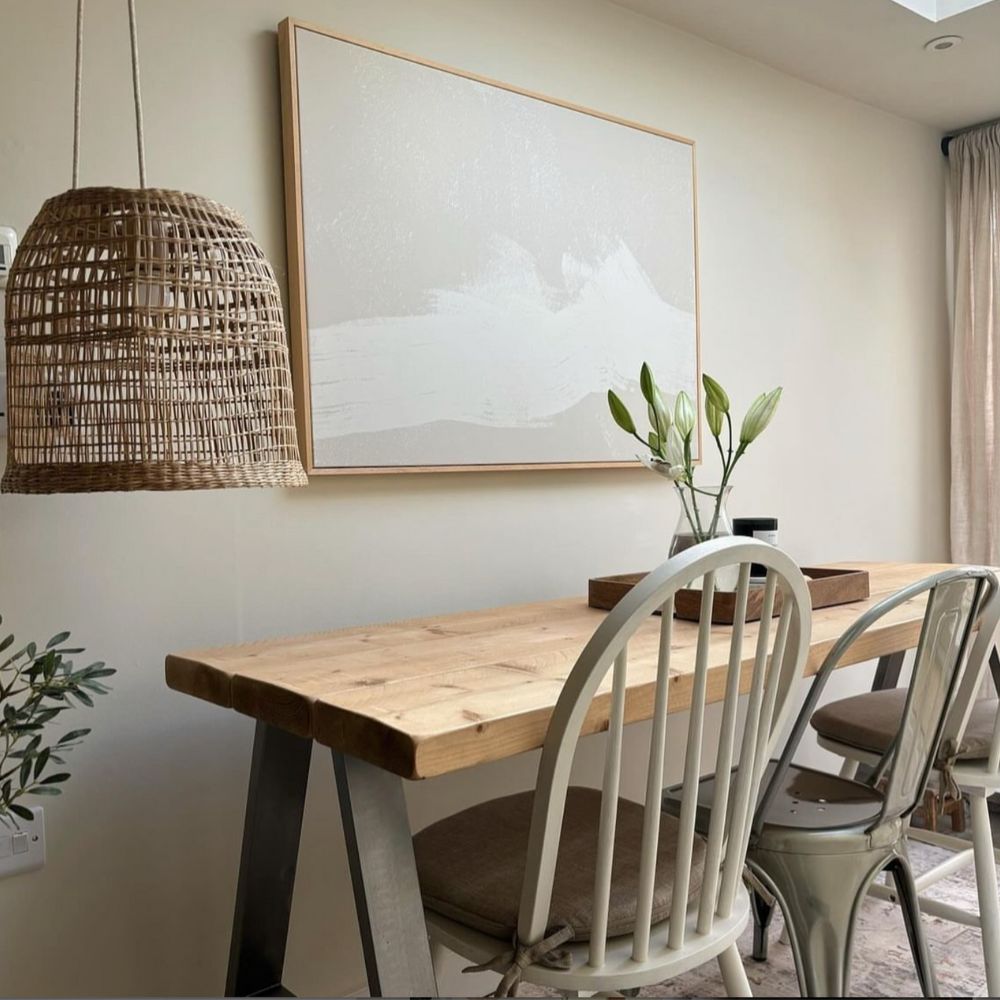

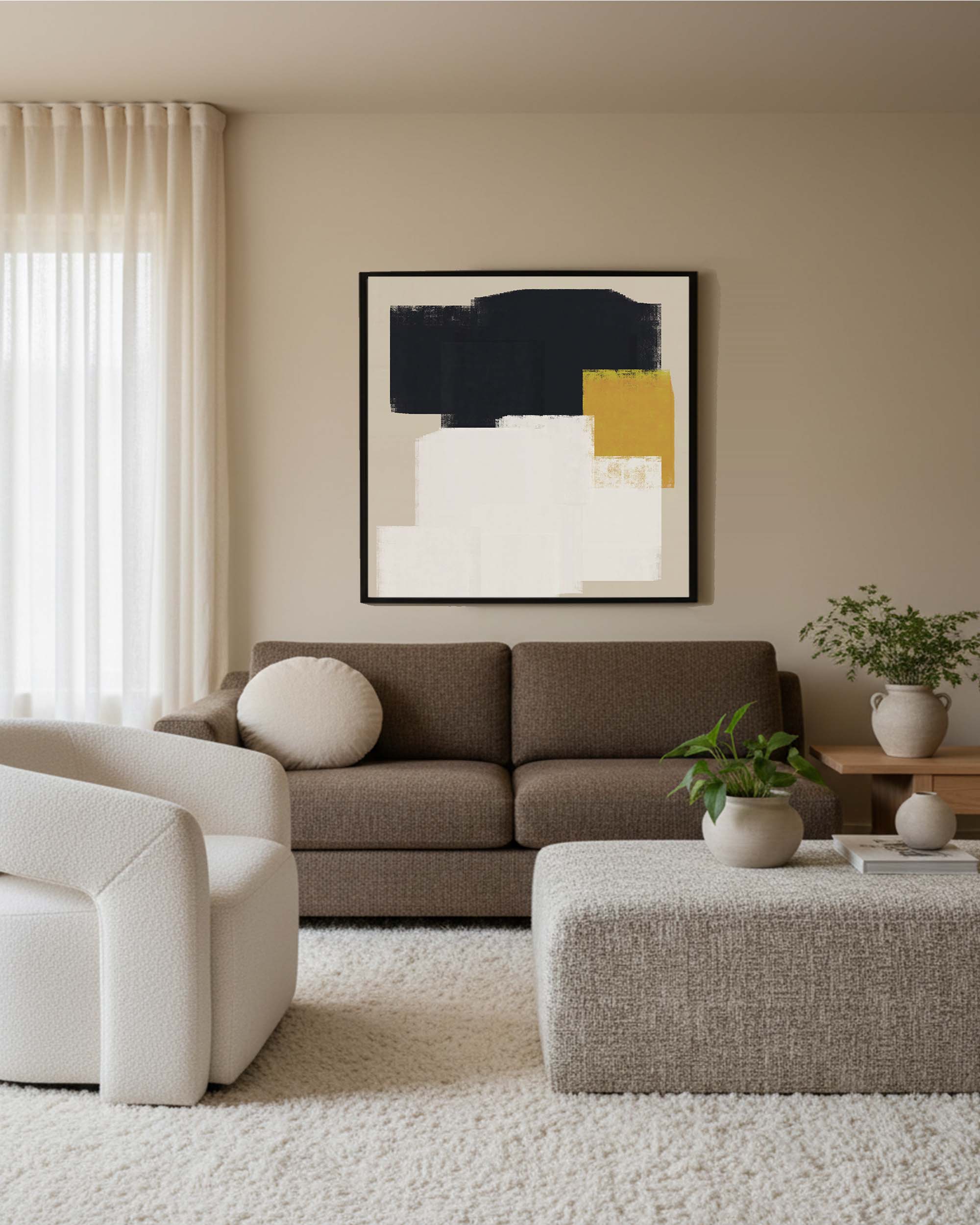
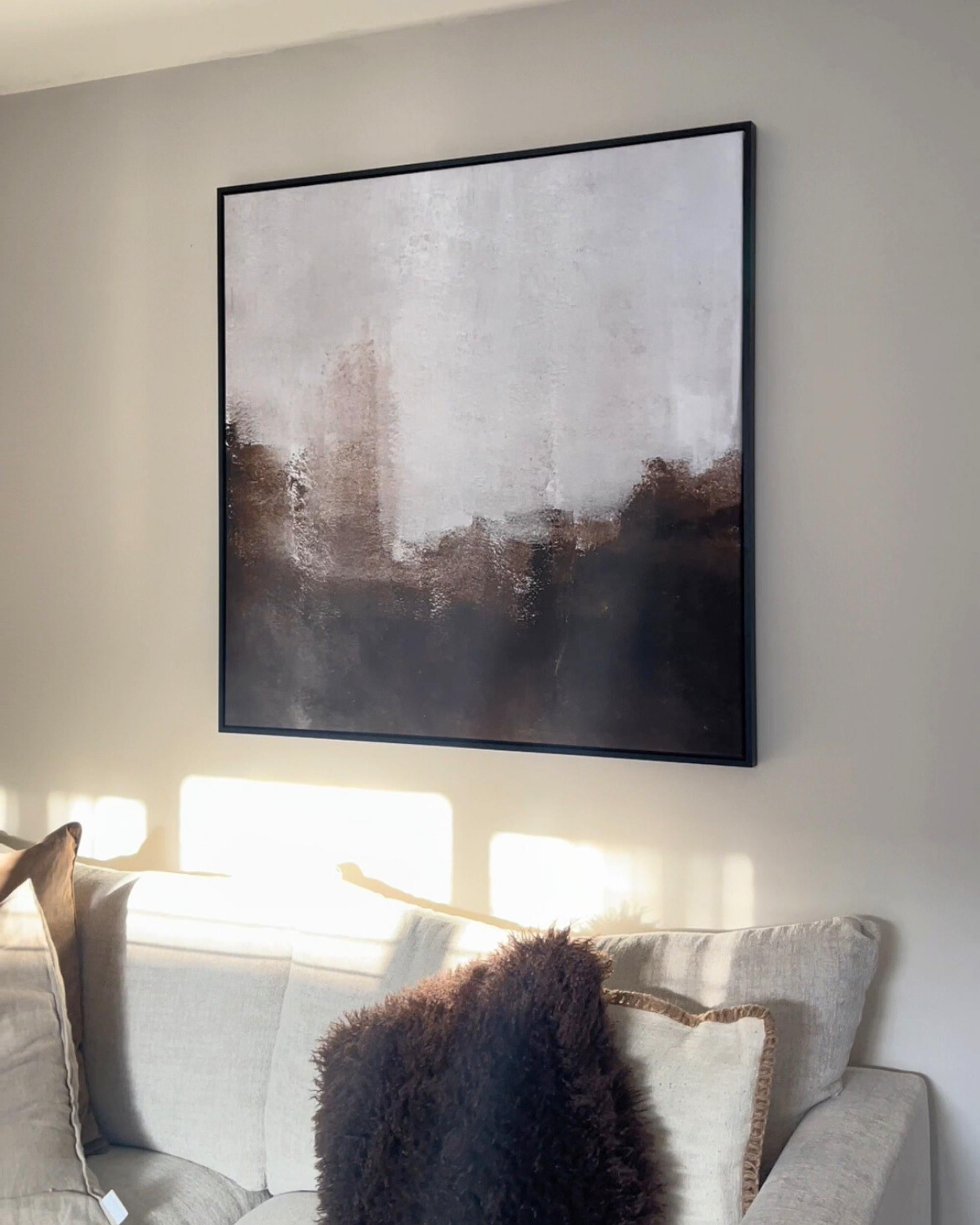
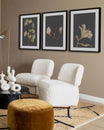
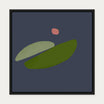
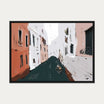
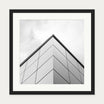
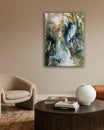



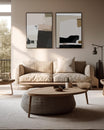
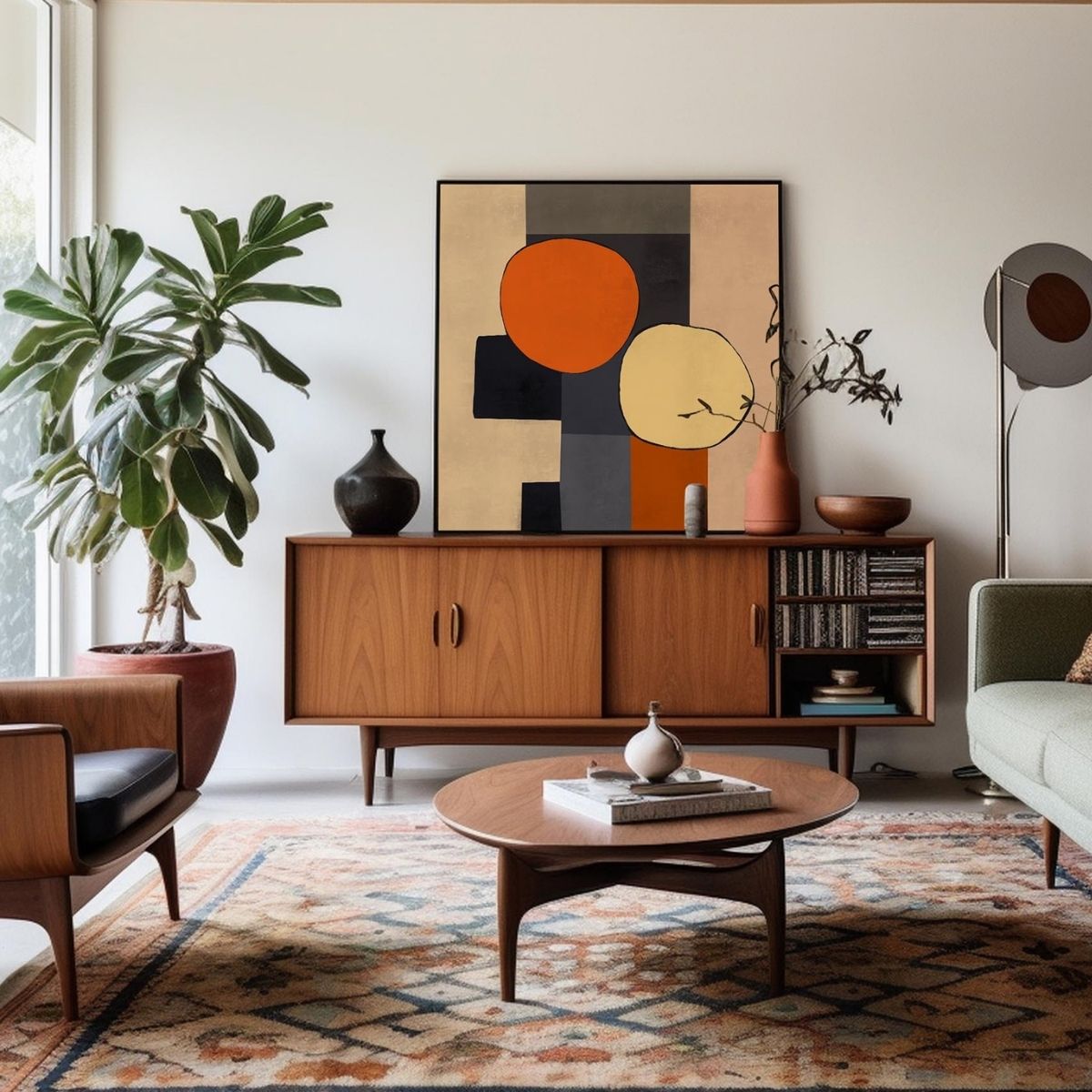
Mid-century design, a movement that gained prominence in the mid-20th century (roughly the 1940s to the 1960s), continues to captivate homeowners, designers, and collectors today. Renowned for its clean lines, organic forms, and innovative use of materials, mid-century design embodies a harmonious blend of functionality and aesthetics that feels as relevant now as it did decades ago.

Origins of Mid-Century Design
The mid-century design movement emerged during a period of rapid societal and technological change. Post-World War II optimism fueled innovation in architecture, furniture, and interior design. Designers sought to create pieces that were not only beautiful but also accessible to a growing middle class. Influenced by the Bauhaus school and Scandinavian design principles, mid-century design emphasised simplicity, minimalism, and utility.
Key Characteristics
- Clean Lines and Minimalism: Mid-century furniture often features sleek, uncluttered lines and an absence of ornate detailing. This aesthetic prioritises form and function, creating pieces that are visually striking yet understated.
- Organic and Geometric Forms: Designers embraced both organic shapes, inspired by nature, and bold geometric patterns. This duality brought a sense of balance and dynamism to interiors.
- Innovative Materials: Advances in manufacturing allowed designers to experiment with new materials like molded plywood, fiberglass, and plastic. These materials not only expanded creative possibilities but also made design more affordable.
- Integration with Nature: Many mid-century homes and furnishings are designed to create a seamless connection with the outdoors. Large windows, open floor plans, and an emphasis on natural light reflect this philosophy.
- Bold Use of Colour: While the overall aesthetic is often minimalist, mid-century design is known for its vibrant use of colour. Rich hues like mustard yellow, teal, olive green, and burnt orange were commonly paired with neutral tones to add warmth and personality.
Iconic Designers and Pieces
Several designers and architects played pivotal roles in shaping the mid-century design movement:
- Charles and Ray Eames: Known for their innovative furniture designs, such as the Eames Lounge Chair and Molded Plywood Chair, the Eameses combined comfort with cutting-edge materials.
- Eero Saarinen: Saarinen’s Tulip Chair and Pedestal Table exemplify his futuristic yet functional approach to design.
- Florence Knoll: A pioneer of modern office and home interiors, Knoll’s work emphasised clean lines and practicality.
- George Nelson: Designer of the Marshmallow Sofa and Bubble Lamp, Nelson’s creations are playful yet sophisticated.
- Isamu Noguchi: The Noguchi Table, with its sculptural base and glass top, is a masterpiece of organic design.
Mid-Century Design in Contemporary Spaces
The enduring appeal of mid-century design lies in its timelessness. Many of its principles—simplicity, functionality, and a connection to nature—align with modern sensibilities. Authentic mid-century pieces are highly sought after, while countless reproductions make the style accessible to a wider audience. Whether incorporated as statement furniture or as part of a cohesive design scheme, mid-century elements can elevate any space.
Tips for Incorporating Mid-Century Design
- Mix and Match: Combine mid-century pieces with contemporary elements to create a layered, personalised look.
- Focus on Quality: Invest in well-crafted furniture that emphasises durability and design integrity.
- Use Color Wisely: Balance neutral tones with pops of mid-century-inspired colours to create a vibrant yet cohesive palette.
- Embrace Natural Materials: Incorporate wood, leather, and stone to add warmth and texture.
- Keep It Simple: Avoid clutter to maintain the clean, open aesthetic that defines mid-century design.
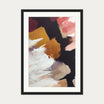
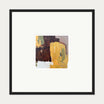
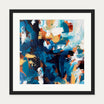
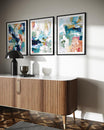
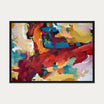
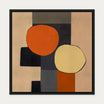
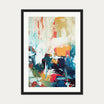
Discover our exclusive collection of Mid Century Modern Art.